When to Seek Emergency Dental Care — How to Spot Urgent Problems and What to Do Now
Dental emergencies can happen without warning and are often painful and stressful. Knowing when to get immediate care can protect your smile and prevent more serious problems. This guide explains how to recognize urgent dental issues, simple first-aid steps you can take, and why getting prompt treatment matters. Some signs — like severe, unrelenting tooth pain or a tooth knocked out of its socket — need fast attention from a dentist. Spotting these issues early gives you the best chance of a good outcome. Below, we define dental emergencies, list common symptoms, outline immediate care, and explain when to call Unionville Gate Family Dentists for help.
What Defines a Dental Emergency? Understanding Urgent Dental Care
A dental emergency is any oral health issue that needs quick attention to ease pain, stop damage, or address a potentially serious condition. Getting care quickly often changes the result for the better. Typical emergencies include severe toothaches, knocked-out teeth, broken teeth, dental abscesses, and lost fillings or crowns. Knowing what counts as urgent helps you decide when to act.
What Is an Emergency Dental Care Definition and Why Is It Important?
Emergency dental care means treating a dental problem right away because it threatens your health, comfort, or the tooth’s survival. Putting off treatment can lead to worse pain, spread of infection, and even tooth loss. For example, an abscessed tooth can allow bacteria to travel beyond the mouth if not treated. Recognizing emergency signs helps you get timely care and avoid complications.
Which Symptoms Indicate a Dental Emergency?
- Severe Tooth Pain: Intense pain that doesn’t ease with over-the-counter medication.
- Swelling: Puffiness in the gums or face that may point to infection.
- Knocked-Out Tooth: A tooth completely displaced from its socket.
- Broken Tooth: A tooth that is cracked or significantly damaged.
- Dental Abscess: A painful, swollen area on the gums that may contain pus.
- Lost Filling or Crown: A gap where a restoration used to be, exposing the tooth.
Noticing any of these signs early lets you take quick action and get professional care when it’s needed most.
How to Recognize Common Dental Emergencies and Their Symptoms
Each dental emergency has its own signs. Knowing what to look for helps you respond quickly and protect your oral health.
What Are the Signs and Immediate Steps for Severe Toothache Emergency?
- Ongoing, throbbing pain that gets worse instead of better.
- Heightened sensitivity to hot or cold foods and drinks.
- Swelling near the painful tooth or along the gum line.
To help right away, rinse your mouth with warm salt water, take an appropriate over-the-counter pain reliever, and call your dentist. If pain continues or you develop swelling or a fever, seek emergency care without delay.
How to Handle a Knocked Out Tooth: Treatment and Urgent Care Steps
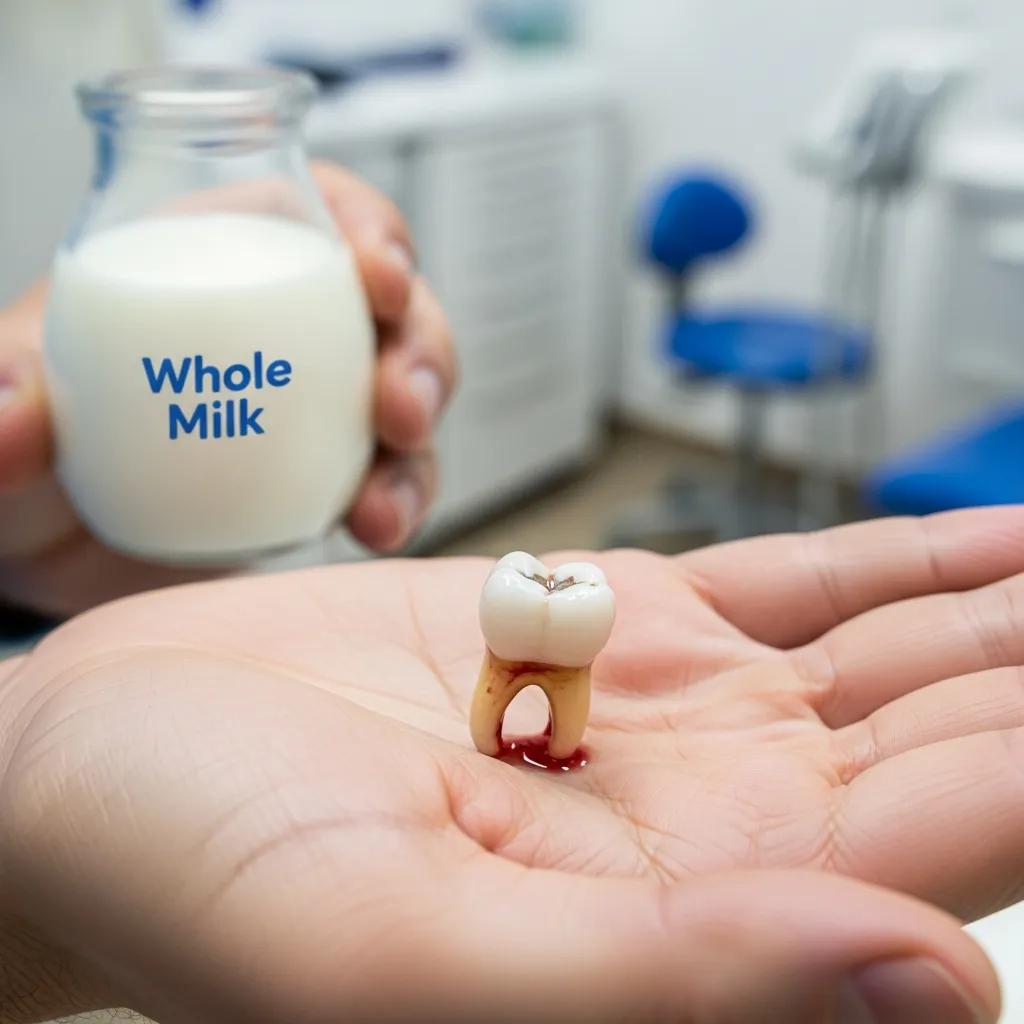
If a tooth is knocked out, quick action makes reattachment much more likely. Follow these steps:
- Find the Tooth: Pick it up by the crown (the top), not the root.
- Rinse: Gently rinse off dirt with water — don’t scrub or use soap.
- Reinsert if Possible: If comfortable, try to place the tooth back into the socket. If that’s not possible, keep it moist in milk, saline, or the person’s saliva.
- Seek Immediate Care: Contact a dentist right away or go to an emergency clinic — ideally within 30 minutes.
Fast, careful steps can greatly improve the chance the tooth can be saved.
When Is a Broken Tooth an Urgent Care Situation?
Whether a broken tooth is an emergency depends on the damage. Seek immediate care if you notice any of the following:
- Severe Pain: Sharp or intense discomfort at the site.
- Exposed Nerves or Pulp: The inner part of the tooth is visible — this risks infection.
- Swelling: Puffiness in the gums or face near the break.
- Bleeding: Bleeding that won’t stop with gentle pressure.
If you have these signs, call your dentist right away for evaluation and treatment.
What Are Dental Abscess Symptoms and How to Respond Quickly?
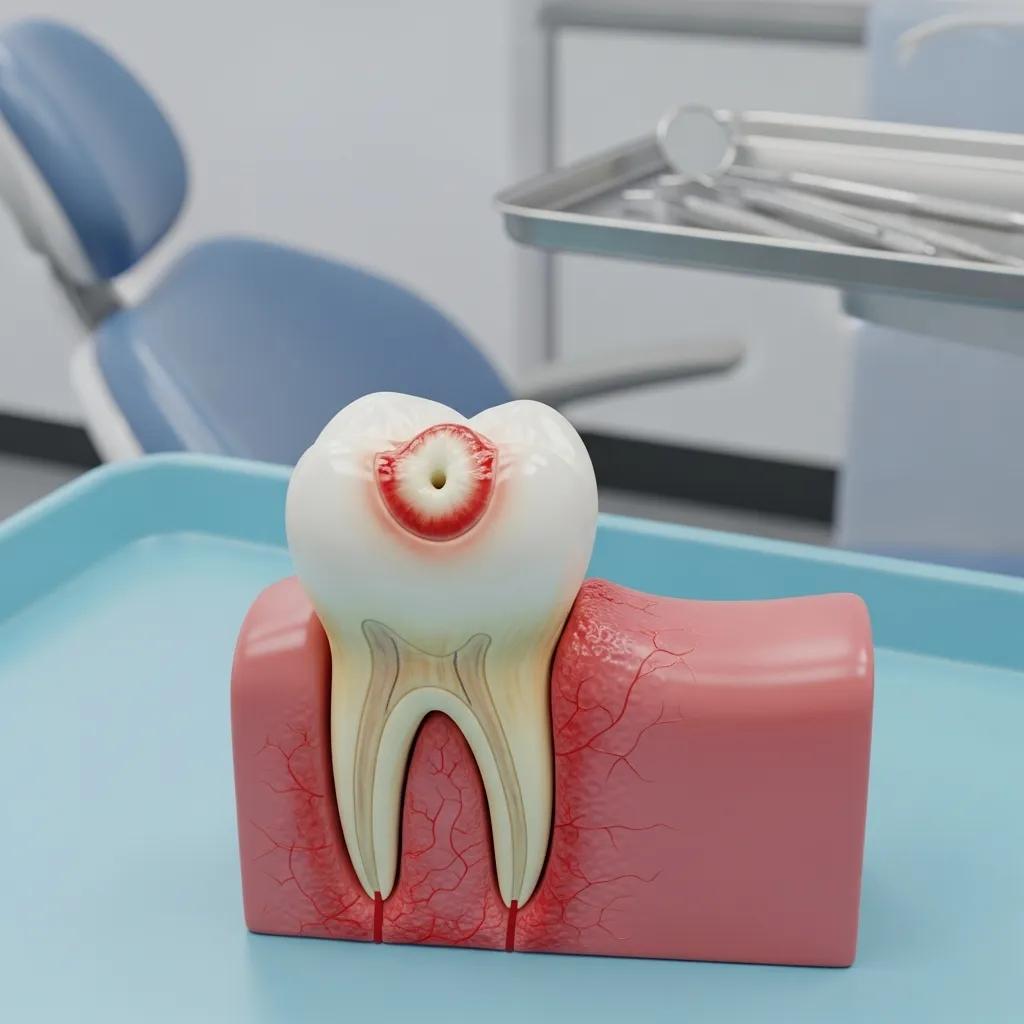
An abscess is an infection that forms a painful, pus-filled pocket. Watch for these symptoms:
- Throbbing Pain: Pain that may spread to the jaw, ear, or neck.
- Swelling: Red, swollen gums or facial swelling.
- Fever: A sign the infection could be affecting the rest of the body.
- Bad Taste or Odor: A persistent foul taste or smell from the mouth.
If you suspect an abscess, get emergency dental care quickly. Treatment usually involves draining the infection and antibiotics to control it.
How to Identify and Manage Lost Fillings and Crowns in Emergencies
Missing fillings or crowns leave the tooth vulnerable to pain and damage. Signs that need prompt attention include:
- Sensitivity: Tooth reacts strongly to hot, cold, or pressure.
- Pain: Ongoing discomfort in the exposed tooth.
- Visible Damage: A clear gap where the restoration used to be.
Temporarily rinse with warm salt water, avoid chewing on that side, and, if needed, cover the area with dental cement or sugarless gum until you can see us. Call your dentist to schedule a replacement as soon as possible.
What Should You Do Immediately in a Dental Emergency? First Aid and Urgent Care Guidance
Simple first-aid steps can ease pain and reduce risk while you arrange professional care. Here are practical actions for common emergencies.
What Are the Immediate First Aid Steps for Common Dental Emergencies?
- Severe Toothache: Rinse with warm salt water and take an appropriate OTC pain reliever. Don’t place aspirin directly on your gums.
- Knocked-Out Tooth: Follow the preservation steps above and get to a dentist fast.
- Broken Tooth: Rinse the mouth, apply a cold compress to lower swelling, and save any tooth fragments.
- Dental Abscess: Rinse gently with warm salt water and seek immediate professional care — never try to lance or drain an abscess yourself.
These measures help control pain and protect the area until a clinician can treat it.
When to Contact Unionville Gate Family Dentists for Emergency Care?
If you notice any of the symptoms listed above, reach out to Unionville Gate Family Dentists right away. We offer extended hours, including evenings and Saturdays, to make urgent care more accessible. Our team is experienced in treating a wide range of dental emergencies and will prioritize getting you the relief and treatment you need.
When to Visit the Emergency Room vs. Your Dentist for Dental Pain
Deciding between the ER and your dentist can be confusing. Some situations need hospital-level care, while others are best managed by a dental professional.
What Conditions Require ER Attention for Dental Issues?
- Severe Facial Swelling: Suggests a spreading infection or possible airway risk.
- Trauma: Major jaw or facial injuries, suspected fractures, or dislocations.
- Uncontrolled Bleeding: Bleeding that won’t stop despite pressure.
- Difficulty Breathing or Swallowing: Any sign of airway compromise.
If you have these life-threatening signs, go to the emergency room immediately.
How to Decide Between Urgent Dental Care and Emergency Room Visits
Use these guidelines to choose where to go:
- Severity of Symptoms: Life-threatening issues or severe trauma → ER.
- Type of Issue: Severe toothaches, lost restorations, or broken teeth without major trauma → dentist.
- Availability: If your dentist is unavailable and you need immediate relief for a non-life-threatening problem, the ER can stabilize you.
When in doubt, call your dental office for advice — they can help you decide the best next step.
How to Prevent Dental Emergencies: Tips for Maintaining Oral Health
Many dental emergencies are preventable. Small habits and routine care go a long way toward protecting your teeth and gums.
What Preventative Measures Reduce the Risk of Dental Emergencies?
- Regular Check-Ups: Visit your dentist routinely so small problems are caught early.
- Good Oral Hygiene: Brush twice a day and floss daily to keep teeth and gums healthy.
- Protective Gear: Wear a mouthguard for sports or activities that risk dental injury.
- Avoid Hard Foods: Don’t chew ice, nutshells, or very hard candies that can crack teeth.
Following these simple steps significantly lowers your chance of an emergency.
How Regular Check-Ups at Unionville Gate Family Dentists Help Prevent Emergencies
Routine visits at Unionville Gate Family Dentists let our team spot issues before they become urgent. We perform thorough exams and give personalized advice to keep your smile healthy and help you avoid unexpected crises.
Frequently Asked Questions
What should I do if I experience a dental emergency outside of regular office hours?
First, assess how severe the problem is. For severe pain, swelling, or trauma, seek an emergency dental clinic or hospital right away. Unionville Gate Family Dentists offers extended hours and emergency options — keep our contact info handy and know the nearest emergency providers in your area.
Can I treat a dental emergency at home before seeing a dentist?
You can take temporary steps to ease symptoms: rinse with warm salt water, use a cold compress for swelling, and take appropriate OTC pain relief. These actions help but don’t replace professional care. See a dentist as soon as possible to treat the root cause.
How can I differentiate between a dental emergency and a regular dental issue?
An emergency usually means severe pain, significant trauma, or symptoms that threaten your health (like uncontrolled bleeding or breathing problems). Routine issues — mild sensitivity or small cavities — can wait for a scheduled visit. If you’re unsure, call a dental professional for guidance.
What are the potential consequences of delaying treatment for a dental emergency?
Delaying care can make pain worse, allow infections to spread, and increase the risk of tooth loss. Problems that start small can become more complex and costly if left untreated. Prompt attention reduces risk and improves outcomes.
Are there any specific dental emergencies that require immediate action?
Yes. Seek immediate care for severe tooth pain that won’t subside, knocked-out teeth, broken teeth exposing nerves, dental abscesses, and uncontrolled bleeding. These situations should be treated quickly to prevent complications and preserve your oral health.
What should I do if I have a dental emergency while traveling?
Look for local dental clinics or emergency dental services right away. If you can’t find a dentist, visit a nearby hospital for initial care. Keep your dentist’s contact details with you — they may provide advice or recommend local providers who can help until you return.
Conclusion
Knowing the signs of a dental emergency helps you act quickly and protect your health. Whether it’s severe pain, a knocked-out tooth, or an abscess, prompt care matters. If you need urgent help, don’t hesitate to contact Unionville Gate Family Dentists — our team is ready to support you and get you the treatment you need. Taking care of problems early leads to a faster, more comfortable recovery.