Water Flosser vs. Traditional Floss: A Practical Guide to Interdental Cleaning
Good daily habits between your teeth make a big difference for your smile and overall health. Deciding whether to use a water flosser or traditional floss comes down to comfort, technique, and your dental needs. This guide compares how each method works, their benefits and limits, and what dental professionals recommend so you can pick the approach that fits your mouth and routine.
How do water flossers and traditional floss really differ?
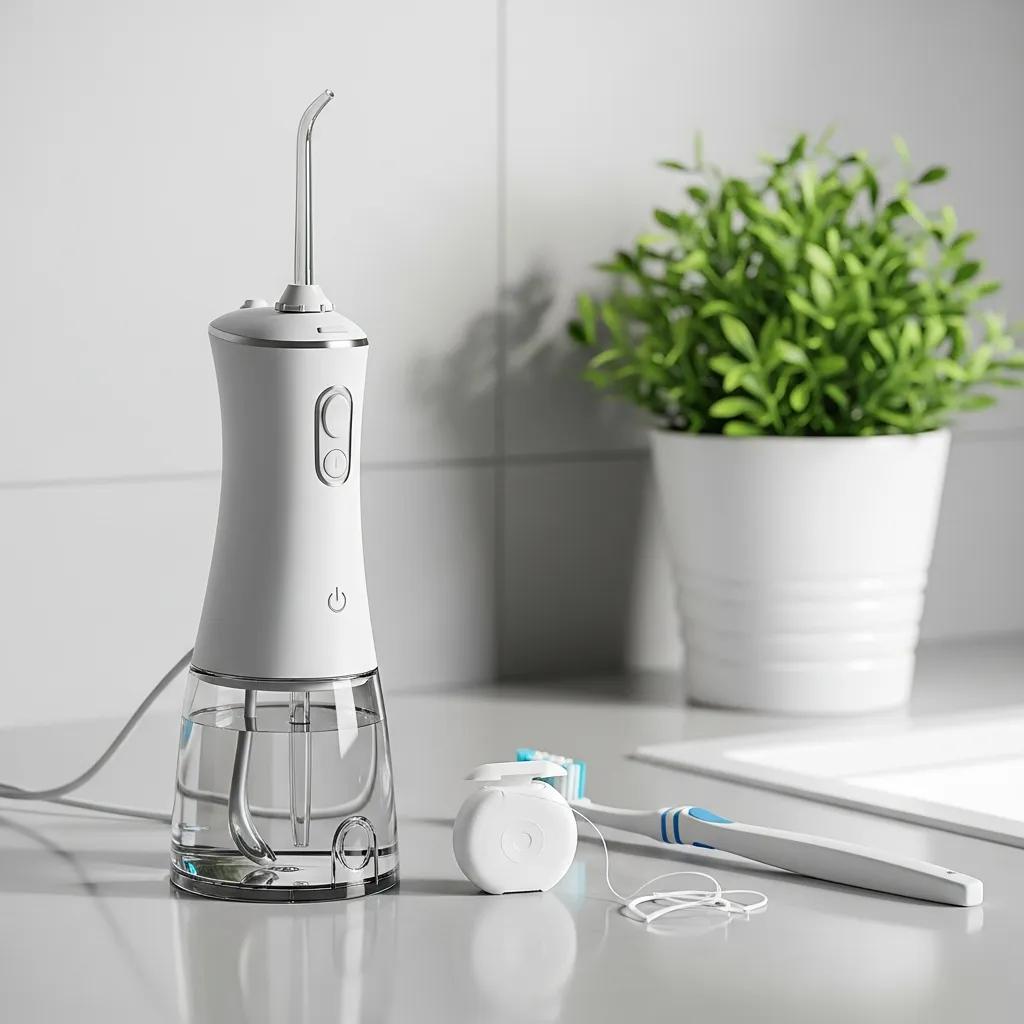
Knowing the difference helps you choose the best tool for your mouth. A water flosser uses a steady, pulsating stream of water to flush food and plaque from between teeth and along the gum line. Traditional floss is a thin string that removes debris by physically scraping the sides of each tooth. Both can protect gum health and lower decay risk, but they work in different ways and suit different needs.
How does a water flosser work compared with traditional floss?
Water flossers use a small pump to send timed bursts of water into tight spaces — useful for reaching under the gum line and around braces or implants. They’re often easier for people with limited dexterity and can feel gentler on sensitive gums. Traditional floss requires hand control to slide and curve the thread around each tooth. When used correctly, both improve oral hygiene; water flossers offer a less abrasive, more forgiving option for many users.
What types of traditional floss are available and when should you use them?
Traditional floss comes in a few styles to match different mouths and preferences:
- Waxed Dental Floss: Coated with a thin wax layer so it slides between tight teeth without shredding.
- Unwaxed Dental Floss: Thinner and may fit in very tight gaps, though it can be more prone to shredding.
- Flavored Floss: Adds a pleasant taste that can make flossing more enjoyable and encourage consistency.
- Specialty Floss: Dental tape or “super floss” is thicker or has stiffened sections to clean around bridges, wide gaps, or braces.
Pick the style that feels easiest and most effective for your spacing and restorations.
What are the benefits and drawbacks of a water flosser?

Water flossers bring clear advantages for many people, but they aren’t perfect for every situation. Below is a quick look at the main positives and some common concerns.
What oral health benefits does a water flosser offer?
Water flossers can help in several ways:
- Improved Gum Health: Regular use often reduces redness and bleeding, helping gums heal and stay healthy.
- Effective Plaque Control: Research shows they can lower plaque and gingival bleeding and can be especially helpful in hard-to-reach spots.
- Easy to Use: People with braces, implants, or limited hand strength often find them simpler than string floss.
- Gentle on Gums: The pulsating water is typically less abrasive, which many users find more comfortable.
Those benefits make water flossers a good option for many households.
What are common limitations or challenges with water flossers?
Consider these practical points before you buy:
- Cost: They cost more up front than a roll of floss, which can be a factor for some budgets.
- Maintenance: The reservoir and tips need cleaning to prevent buildup, and the unit requires occasional care.
- Technique: There’s a short learning curve to aim and move the tip for best results.
Knowing these trade-offs helps you decide whether a water flosser fits your routine.
What are the advantages and disadvantages of traditional dental floss?
Traditional floss is a long-standing, effective tool with a few clear pros and cons.
Why is traditional floss effective for cleaning between teeth?
Traditional floss performs well because:
- Mechanical Cleaning: The physical scraping removes plaque and stuck food directly from tooth surfaces.
- Affordability and Availability: Floss is inexpensive and easy to buy nearly anywhere.
- Familiarity: Many people already know how to floss and include it in their daily routine.
These strengths keep traditional floss a recommended choice for daily care.
What are the downsides of traditional floss?
There are a few challenges to consider:
- Requires Skill: Effective flossing takes the right technique and steady hands, which can be tricky in the back of the mouth.
- Time: It can feel slower than a quick water-floss session, which may discourage regular use.
- Shredding: Unwaxed floss can tear, which frustrates users and reduces effectiveness.
Choosing the right kind of floss and practicing technique can reduce these issues.
Which interdental cleaning method do dentists recommend?
Dental professionals usually tailor advice to each patient, weighing cleanliness, comfort, and clinical needs.
What do dentists say about water flossers versus traditional floss?
Many dentists suggest using both tools when possible. Water flossers excel around braces, implants, and inflamed gums, while traditional floss gives direct mechanical removal between closely spaced teeth. For many people, combining both—water flosser for a daily rinse and traditional floss for targeted scraping—offers the best overall result. Your dentist can recommend the right mix based on your mouth.
How should you pick the best interdental method for your needs?
Consider these points when deciding:
- Comfort and Ease: Pick what you’ll actually use every day.
- Your Dental Needs: Talk to your dentist if you have braces, implants, gum disease, or tight contacts.
- Budget: Factor in upfront costs and ongoing supplies.
With those factors in mind, you can choose a practical routine that keeps your gums and teeth healthy.
How do you use water flossers and traditional floss the right way?
Technique matters. The steps below help you get the most benefit from either method.
Step-by-step: using a water flosser
Follow these simple steps:
- Fill the Reservoir: Use warm water and set a comfortable pressure level.
- Position the Tip: Lean over the sink and place the tip in your mouth, angling it at the gum line.
- Turn It On: Move the tip slowly along the gum line, pausing briefly between teeth so water can flush out debris.
- Rinse: Spit and rinse after you finish to clear loosened particles.
These steps help ensure a thorough, comfortable clean.
How to use traditional floss properly
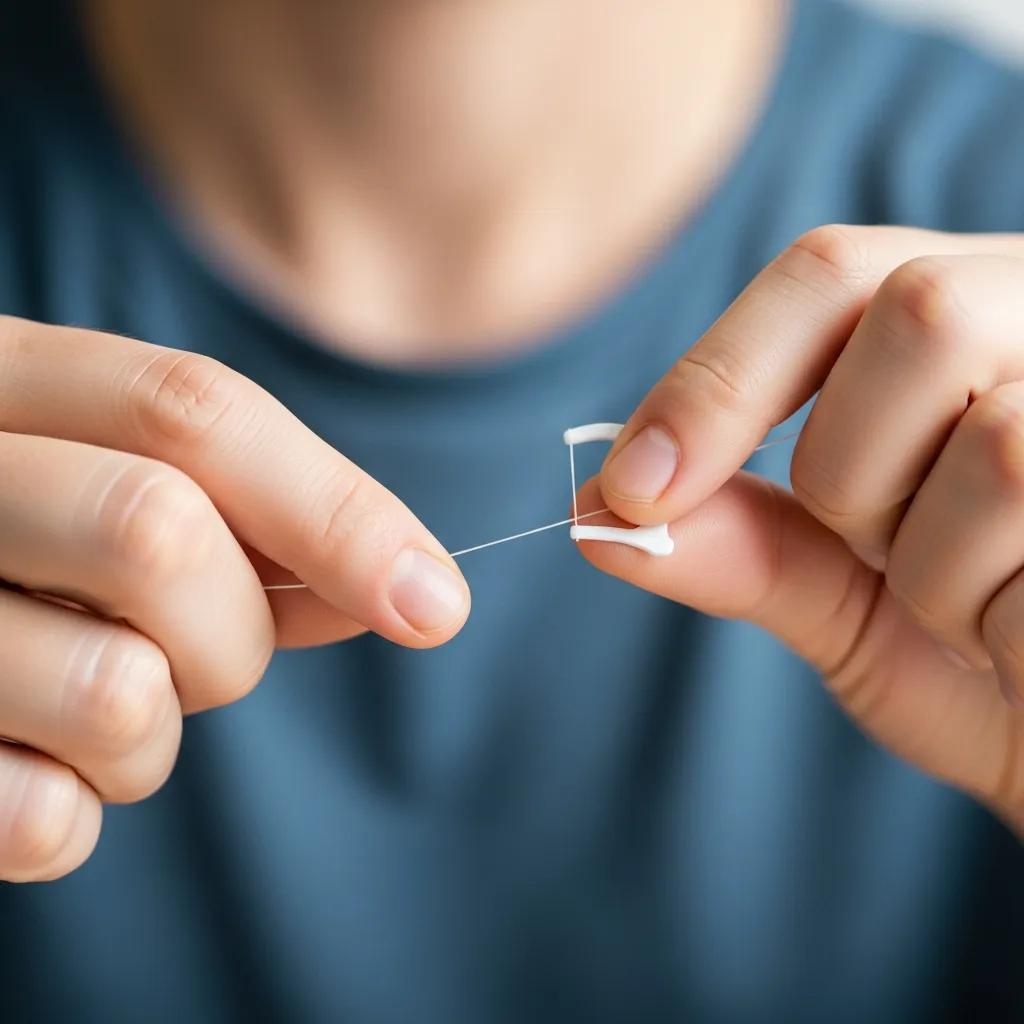
Try this routine for effective flossing:
- Cut Enough Floss: About 18 inches gives you room to wind and use a fresh section.
- Slide Carefully: Gently guide the floss between teeth, curving it into a C around each tooth.
- Scrape the Sides: Move the floss up and down along each tooth surface to remove plaque.
- Use Fresh Sections: Shift to a clean segment of floss for each gap to avoid moving bacteria around.
Regular, careful flossing keeps your gums healthy and your smile bright.
What about cost and upkeep for water flossers versus traditional floss?
Compare price and maintenance to choose what fits your lifestyle and budget.
How do water flosser costs compare to traditional floss?
Water flossers have a higher upfront cost — typically around $30 to $100 depending on features. A roll of traditional floss usually costs $1 to $5. Keep in mind replacement tips and occasional parts for water flossers versus the steady, low cost of floss.
What maintenance and replacement should you expect?
Water flossers need regular reservoir and tip cleaning to avoid buildup; tips are often replaced every 3 to 6 months, depending on use. Traditional floss doesn’t require maintenance beyond keeping a fresh roll on hand. That simplicity is a big advantage for many users.
| Method | Cost | Maintenance Needs | Replacement Frequency |
|---|---|---|---|
| Water Flosser | $30 – $100 | Regular cleaning, tip replacement | Every 3-6 months |
| Traditional Floss | $1 – $5 | None | As needed |
This table highlights the lower cost and low-maintenance nature of traditional floss versus the convenience and upkeep of a water flosser. Choose what matches your routine and dental needs.
Frequently Asked Questions
Can water flossers replace traditional floss completely?
Water flossers are very effective, but most dental professionals recommend using them alongside traditional floss rather than as a full replacement. Water flossers can reach areas string floss misses, especially around appliances, while traditional floss offers a direct scraping action that’s hard to replicate. Using both can give you the best overall clean.
Are water flossers safe for children?
Yes — with supervision. Many models are simple enough for kids to use, but parents should supervise until children are comfortable and careful. Your child’s dentist can advise whether to start with traditional floss or add a water flosser based on age and dental needs.
How often should I use a water flosser or traditional floss?
Daily use is ideal. Flossing or using a water flosser at least once a day removes plaque and food that brushing alone can miss. Some people benefit from using both regularly; your dentist can help you decide the best routine.
Can I use mouthwash with a water flosser?
Many water flossers allow diluted mouthwash, but always check the manufacturer’s guidance first. Some devices recommend water only. If you do use mouthwash, follow with plain water to prevent residue and protect the unit.
What should I look for when choosing a water flosser?
Look for adjustable pressure settings, a comfortable reservoir size, and interchangeable tips for orthodontic or periodontal care. Adjustable pressure helps protect sensitive gums, and a larger tank means fewer refills. Read reviews and ask your dentist for brand recommendations if you’re unsure.
Is traditional flossing more effective than water flossing?
Both methods have strengths. Traditional floss excels at mechanically removing plaque between teeth, while water flossers flush out debris and reduce gum inflammation. Studies show water flossers can match traditional floss in many cases, especially for people with braces or gum problems. Often the best approach is using both for complete care.
Conclusion
Both water flossers and traditional floss can improve your oral health — the right choice depends on comfort, dental needs, and consistency. Water flossers are gentle and convenient, especially for braces or sensitive gums, while traditional floss is affordable and highly effective when used properly. Talk with your dental team to tailor a routine that keeps your gums healthy and your smile strong. Explore products and tips with us to find what works best for you.