Dental Implants — Angus Glen, Markham: A Clear Guide to Long‑Lasting Tooth Replacement
Missing teeth can affect how you eat, speak and feel about your smile. Dental implants offer a long‑term, natural‑looking way to replace lost teeth and restore confidence. This guide walks you through what implants are, the main types and steps involved, what to expect for costs, and real patient experiences from Angus Glen, Markham. Whether you’re frustrated with dentures or exploring a permanent option, understanding implants will help you make the right choice for your oral health and daily life.
What Are Dental Implants and How Do They Replace Missing Teeth?
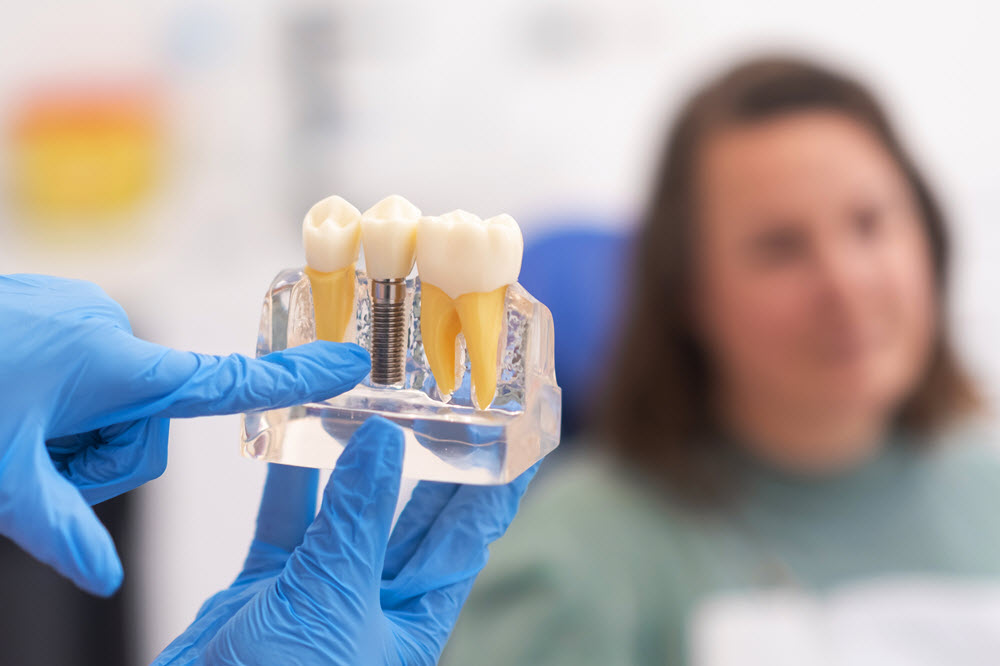
Dental implants are small titanium or ceramic posts placed into the jawbone to act like a tooth root. Over time they bond with the bone (a process called osseointegration), creating a stable base for a crown, bridge or denture. Besides restoring the appearance of your smile, implants help preserve the jawbone and facial structure—something removable options can’t always do. The materials used, especially titanium, are chosen for strength and compatibility with the body.
What is a dental implant and its role in tooth replacement?
An implant replaces the missing tooth root. Once placed and allowed to integrate with the jaw, it supports a custom crown that looks and functions like a natural tooth. The result is a secure, comfortable restoration that lets you chew and speak with confidence while protecting nearby teeth and bone.
How do titanium and zirconia materials affect implant durability?
Titanium implants are widely used because they’re strong, biocompatible and have a long history of success. Zirconia is a tooth‑colored ceramic alternative that some patients choose for aesthetic or metal‑sensitivity reasons. Both materials are durable, but titanium has more long‑term clinical data. Your dentist can recommend the best option based on your needs and preferences.
What Types of Dental Implants Are Available in Angus Glen Markham?
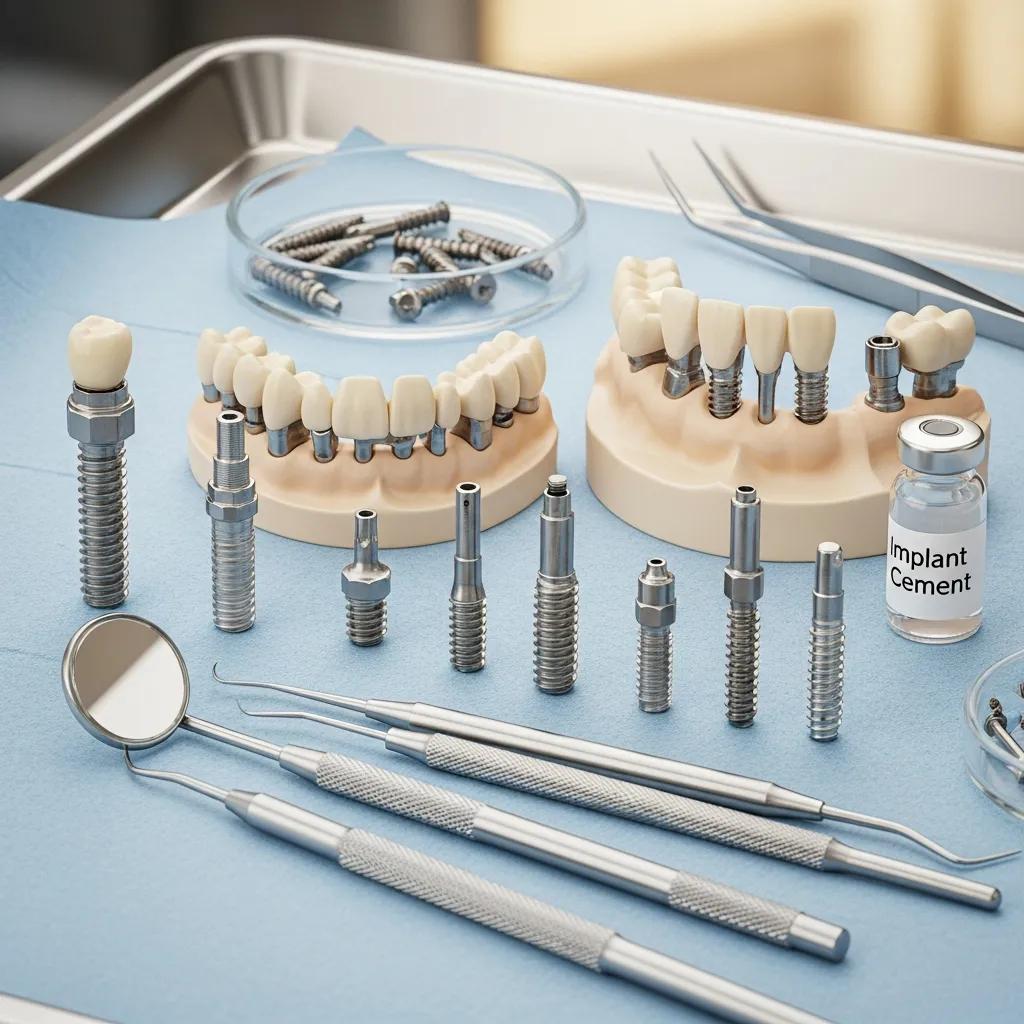
At clinics serving Angus Glen, you’ll find several implant approaches depending on how many teeth need replacing, the condition of your jawbone, and your treatment goals. Knowing the differences helps you and your dentist choose the best plan.
What are single, full-mouth, All-on-4, and mini dental implants?
- Single Dental Implants: Replace one missing tooth with a post and a crown for a natural, isolated restoration.
- Full‑Mouth Implants: For patients who’ve lost most or all teeth, this restores an entire dental arch for function and appearance.
- All‑on‑4 Implants: Uses four strategically placed implants to support a full arch—often a faster, more cost‑efficient route to a fixed set of teeth.
- Mini Dental Implants: Narrower posts used when bone volume is limited or to help stabilize dentures; less invasive but generally intended for specific situations.
How to choose the best dental implant type for your needs?
The right choice depends on how many teeth you’re replacing, bone quality, your smile goals and budget. A thorough exam, including imaging, lets your dentist outline realistic options and a step‑by‑step plan tailored to you.
What Does the Dental Implant Procedure Involve at Angus Glen Dental Implant Clinic?
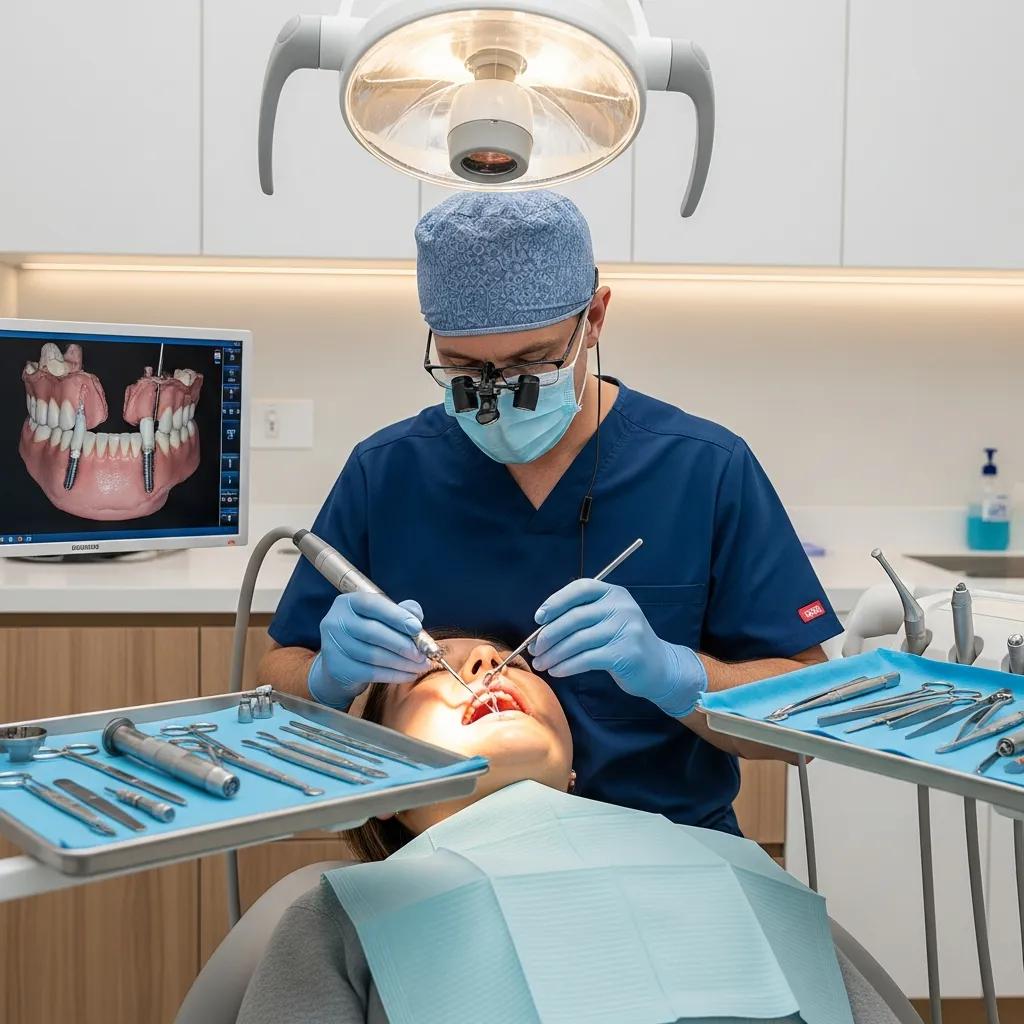
Implant treatment is planned and completed in stages to maximize predictability and comfort. Good planning and follow‑up care are key to long‑term success.
What are the steps from consultation to crown placement?
First, you’ll have a consultation and imaging to map the implant site. The implant is surgically placed into the jaw, then allowed to heal and integrate—usually 3 to 6 months. After integration, an abutment is attached and a custom crown is fitted to complete the restoration.
How do bone grafting and sedation dentistry support implant success?
If there’s not enough bone, grafting can rebuild the site so an implant will be stable. Sedation options—ranging from mild oral sedation to IV—help patients stay relaxed during surgery. Both techniques improve comfort and the chances of a successful outcome.
How Much Do Dental Implants Cost in Markham and What Financing Options Exist?
Implant costs vary based on the type of implant, any preparatory work needed, and the clinician’s experience. We recommend a personalized assessment so you have a clear estimate before treatment starts.
What factors influence dental implant pricing in Markham?
- Material Costs: Different implant systems and materials can change the price—titanium is commonly used and cost‑effective, while zirconia can be pricier.
- Procedure Complexity: Adding bone grafts, extractions or sinus lifts will increase the overall cost and time required.
- Dentist’s Expertise: Experienced implant providers and specialists may charge more, reflecting training and predictable results.
What insurance coverage and payment plans are available?
Some dental plans offer partial coverage for implant care; check your policy for details. Many practices in the area, including Unionville Gate Family Dentists, provide payment plans or third‑party financing to spread costs and make treatment more accessible.
What Are the Benefits and Longevity of Dental Implants Compared to Alternatives?
Dental implants offer advantages that often make them the preferred long‑term solution compared with removable options.
How do dental implants restore function and prevent bone loss?
Because implants act like natural roots, they restore chewing strength and help preserve jawbone by stimulating it during chewing—preventing the shrinkage that can follow tooth loss. That preservation supports facial structure and overall oral health.
How do implants compare to bridges and dentures in durability and comfort?
Implants are typically more stable and comfortable than dentures and don’t rely on neighboring teeth like bridges do. With proper care, implants can last decades; crowns may need replacement over time, but the implant foundation often remains strong for many years.
What Do Patients Say About Their Dental Implant Experience in Angus Glen Markham?
Hearing from others who’ve had implants helps set realistic expectations about pain, recovery and results.
What are common patient questions about pain, recovery, and success rates?
Many patients worry about discomfort, but most report manageable soreness that eases within a few days. Full integration takes months, but routine daily activities usually resume quickly. For healthy patients, implant success rates are high—commonly above 95%—when proper care is followed.
How have patient testimonials and case studies demonstrated implant success?
Patient stories often highlight regained confidence, improved chewing and a better quality of life. Case examples show that with careful planning and maintenance, implants provide reliable results over the long term.
| Type of Implant | Average Cost | Longevity | Success Rate |
|---|---|---|---|
| Single Dental Implant | $3,000 – $5,000 | 25+ years | 95% |
| Full-Mouth Implants | $20,000 – $50,000 | 25+ years | 95% |
| All-on-4 Implants | $15,000 – $30,000 | 25+ years | 95% |
| Mini Dental Implants | $1,500 – $3,000 | 5-10 years | 85-90% |
Dental implants are a dependable option for many people seeking a lasting tooth replacement. They restore function, help preserve bone, and can improve how you feel about your smile. If you’re considering implants, book a consultation with a qualified dentist to review your options and develop a treatment plan that fits your needs.
Frequently Asked Questions
What is the recovery time after getting dental implants?
Recovery varies, but most people return to normal day‑to‑day activities within a few days. The important healing phase—when the implant bonds to the bone—takes about 3 to 6 months. Expect some swelling and mild discomfort early on, which your dentist will help manage with clear aftercare instructions.
Are dental implants suitable for everyone?
Implants work well for many patients, but certain health conditions, bone loss or treatments like recent radiation to the head and neck can affect candidacy. A full evaluation will determine if implants are a safe and effective option for you.
How long do dental implants last?
With good oral hygiene and regular dental checkups, implants can last 25 years or more. The visible crown may need replacement after 10 to 15 years due to normal wear, but the implant itself often remains a durable foundation.
What are the risks associated with dental implant surgery?
Like any surgery, implants carry risks such as infection, nerve irritation or sinus issues for upper implants. These complications are uncommon when treatment is planned and performed by experienced clinicians. Discussing concerns and medical history with your dentist reduces risk.
Can dental implants be replaced if they fail?
Yes. While implant failure is relatively uncommon, it can happen. If an implant fails, your dentist can evaluate the cause—often infection, poor bone quality or overload—and recommend solutions, which may include removing the implant, grafting bone, and placing a new implant when appropriate.
What lifestyle changes should I consider after getting dental implants?
Good oral hygiene is essential: brush, floss and keep regular dental visits. Avoid tobacco, which can hinder healing and raise the risk of failure. A balanced diet and staying hydrated also support recovery. Your dentist will give personalized guidance to protect your new implant.
Conclusion
Dental implants give many people a reliable, natural‑feeling solution for missing teeth—restoring chewing ability, preserving bone, and improving confidence. If you’re ready to explore implants, schedule a consultation with a qualified implant provider to review your options and create a treatment plan that fits your goals. A healthier, more comfortable smile could be closer than you think.