Wisdom Teeth Removal: What to Expect — Recovery, Costs, Symptoms & Oral Surgery
Wisdom teeth — the third molars — usually come in during late teens or early twenties. Removing them is one of the most common dental surgeries, and knowing what to expect can make the experience much less stressful. This guide walks you through signs of impaction, the extraction process, recovery tips, what to eat, cost factors, and possible complications so you can make informed choices and feel confident about your care.
We’ll start by explaining impacted wisdom teeth and the signs that suggest removal. From there, we’ll cover the surgical steps and sedation choices, then what recovery looks like and how to care for your mouth afterward. Finally, we’ll review helpful diet tips, hygiene practices, typical costs and insurance considerations, and what complications to watch for.
What Are Impacted Wisdom Teeth and Their Common Symptoms?
Impacted wisdom teeth happen when the jaw doesn’t have enough room for those back molars to come in properly. That lack of space can cause pain, infection, or damage to nearby teeth. Spotting the signs early helps you get timely treatment and avoid bigger problems down the road.
How Do Impacted Wisdom Teeth Affect Oral Health?
Left untreated, impacted wisdom teeth can cause jaw pain and swelling, make it hard to open your mouth, and create pockets where bacteria collect. Over time they may press on neighboring teeth and shift your bite, which can lead to further dental issues.
What Symptoms Indicate the Need for Wisdom Teeth Removal?
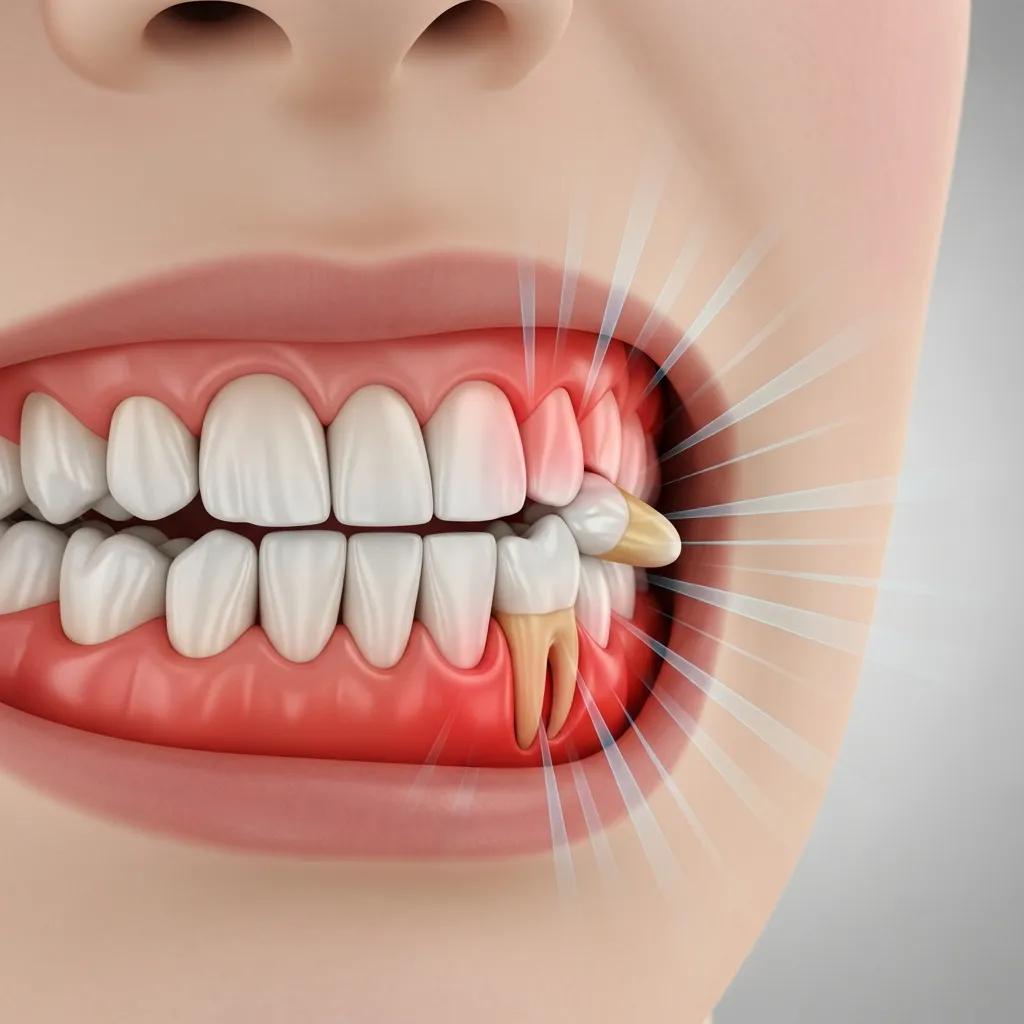
Common signs that you might need a wisdom tooth removed include:
- Jaw Pain: Ongoing pain around the back molars or jaw that won’t go away with home care.
- Swelling and Redness: Inflamed, tender gums near the wisdom tooth can mean irritation or infection.
- Difficulty Opening the Mouth: If your mouth feels tight or won’t open fully, impacted teeth may be the cause.
If you notice any of these symptoms, book an exam so your dentist can check X-rays and recommend the next steps.
How Is Wisdom Teeth Removal Performed: Procedure and Sedation Options
Wisdom tooth extraction follows a few standard steps aimed at keeping you comfortable and safe. Knowing the process ahead of time often helps reduce anxiety.
What Are the Steps Involved in Wisdom Teeth Extraction?
The typical extraction process includes:
- Initial Consultation: We take a history, examine your mouth and get X-rays to see tooth position and any impaction.
- Anesthesia Administration: Depending on the case, we’ll use local anesthesia, IV sedation, or general anesthesia for your comfort.
- Extraction Steps: The dentist or oral surgeon will gently remove the tooth. If the tooth is impacted, a small gum incision may be needed to access it.
Each step is planned to limit discomfort and protect surrounding teeth and tissues.
Which Anesthesia and Sedation Methods Are Available for Oral Surgery?
Common anesthesia and sedation choices include:
- Local Anesthesia: Numbs only the area being treated so you stay awake but feel no pain.
- IV Sedation: Puts you into a relaxed, semi-awake state — you may have little memory of the procedure.
- General Anesthesia: Used for more complex cases; you’ll be fully asleep during the surgery.
Your dentist will recommend the best option based on the difficulty of the extraction and your comfort needs.
What to Expect During Wisdom Teeth Removal Recovery and Aftercare
Recovery varies by person and by how complex the extraction was. Understanding the usual timeline and care steps helps you plan and recover more comfortably.
How Long Is the Typical Recovery Timeline After Extraction?
Recovery often follows this pattern:
- Days 1–3: This is when swelling and discomfort peak. Use ice packs and take prescribed or recommended pain relief.
- Days 4–7: Swelling and pain should lessen. Start soft foods and gentle oral care as advised by your dentist.
- Weeks 2–4: Most people resume normal activities; full tissue healing may take several weeks for more complex cases.
This timeline helps set realistic expectations so you can plan time off and arrange support if needed.
What Are Effective Pain Management and Swelling Reduction Techniques?

To manage pain and swelling:
- Ice Packs: Apply ice to the cheek for 15–20 minutes at a time during the first 24–48 hours to control swelling.
- Pain Medications: Use over-the-counter meds or prescription pain relief exactly as directed by your provider.
- Rest and Hydration: Plenty of rest and fluids supports healing — avoid strenuous activity for a few days.
Following these steps will make recovery smoother and more comfortable.
Which Foods Are Recommended and What Oral Hygiene Practices Aid Recovery?
Eating the right foods and keeping the mouth clean without disturbing healing tissues are key to preventing complications and promoting recovery.
What Soft Foods Should You Eat After Wisdom Teeth Removal?
Stick to soft, easy-to-swallow foods like:
- Mashed Potatoes: Warm and soothing — easy to eat without chewing much.
- Applesauce: Gentle on the mouth and a simple way to get fruit nutrients.
- Smoothies: Nutritious and customizable — avoid seeds and use a spoon rather than a straw.
Avoid crunchy, hard, or spicy foods until your mouth is fully healed to prevent irritation or damage.
How to Maintain Oral Hygiene and Prevent Dry Socket?
Good oral care helps avoid infection and dry socket. Key practices include:
- Gentle Rinsing: Start saltwater rinses 24 hours after surgery to keep the area clean without disturbing the clot.
- Avoiding Straws: Suction can dislodge the clot that protects the socket, so skip straws for at least a week.
- Monitoring for Signs of Infection: Watch for increasing pain, swelling, or fever and contact your dentist if these appear.
Stick to the aftercare plan your dentist gives you — it’s the best way to prevent problems.
How Much Does Wisdom Teeth Removal Cost and What Insurance Options Are Available?
Costs vary depending on the procedure’s complexity and the care setting. Knowing the main cost drivers helps you plan financially.
What Factors Influence the Cost of Wisdom Teeth Extraction?
Price can be affected by:
- Complexity of the Extraction: Simple extractions cost less than surgical removals for impacted teeth.
- Location and Facility Fees: Fees differ by practice location and whether the procedure is done in an office or surgical suite.
- Anesthesia Costs: General anesthesia or IV sedation adds to the overall fee compared with local anesthesia.
Talk with your dental office about an estimate so you know what to expect before the procedure.
How Does Dental Insurance Cover Wisdom Teeth Removal in Ontario?
In Ontario, dental coverage for wisdom teeth removal typically looks like this:
- Typical Coverage Details: Many plans cover a portion of the extraction if it’s deemed medically necessary.
- Out-of-Pocket Costs: You may still be responsible for some fees depending on your plan’s limits and deductibles.
- Insurance Plan Variations: Coverage levels differ between insurers, so review your plan or call your provider for specifics.
We can help you estimate costs and submit claims — just ask our front desk for assistance.
Frequently Asked Questions
How will I know if my wisdom teeth are impacted?
Common signs include persistent jaw pain, swollen or tender gums, and trouble opening your mouth. You might also notice bad breath or a bad taste from infection. If you have these symptoms, schedule an exam — X-rays will show whether the teeth are impacted.
How can I prepare for my wisdom teeth removal appointment?
Plan for someone to drive you home if you’ll be sedated. Tell your dentist about any medications you take — some may need to be paused. Stock up on soft foods and follow any pre-op instructions, such as fasting, that your dentist provides.
What should I do if I experience excessive bleeding after surgery?
If bleeding occurs, stay calm and bite gently on a clean gauze pad over the site for about 30 minutes. Replace the gauze and maintain light pressure if needed. If bleeding doesn’t slow after an hour or gets worse, contact your dentist or oral surgeon right away.
Can I return to work or school immediately after the procedure?
Most patients need at least one to two days off, especially after sedation. Swelling, discomfort, or drowsiness can affect concentration, so plan a short recovery period before returning to regular activities.
What are the long-term effects of not removing wisdom teeth?
Leaving problematic wisdom teeth in place can lead to chronic pain, repeated infections, damage to neighboring teeth, and bite changes. Regular dental check-ups help your dentist monitor wisdom teeth and advise when extraction is recommended.
Are there any alternatives to surgical removal of wisdom teeth?
If wisdom teeth are healthy, fully erupted, and not causing problems, monitoring with regular exams may be an option. But when teeth cause pain, infection, or harm to other teeth, extraction is usually the best choice. Discuss alternatives with your dentist to find the right approach for you.
How Can Dry Socket and Other Risks Be Prevented?
Dry socket and other complications are often avoidable. Helpful steps include:
- Following Aftercare Instructions: Follow your dentist’s post-op directions closely — they’re designed to protect healing tissue.
- Avoiding Smoking: Smoking delays healing and raises the risk of dry socket, so avoid it before and after surgery.
- Monitoring Symptoms: Report severe or worsening pain, persistent swelling, or fever to your dentist promptly.
Careful post-op behavior and early communication with your dental team reduce the chance of complications.
What Are Answers to Common Patient Questions About Wisdom Teeth Extraction?
Here are short answers to questions we hear frequently:
- Is the procedure painful?: Most people feel little to no pain during the procedure because of anesthesia; some soreness afterward is normal and manageable with medication.
- How long does the recovery take?: Many patients feel back to normal in 7–10 days, though full healing can take a few weeks for complex cases.
- Will I need someone to drive me home?: Yes — arrange a ride if you’ve had sedation or general anesthesia.
Knowing these basics ahead of time can help you feel prepared and confident.
| Recovery Phase | Duration | Key Activities |
|---|---|---|
| Initial Recovery | 1-3 days | Rest, ice application, pain management |
| Intermediate Recovery | 4-7 days | Soft foods, gentle oral hygiene |
| Full Recovery | 2-4 weeks | Gradual return to normal diet and activities |
This table summarizes the typical recovery phases and what to expect so you can plan your aftercare with confidence.
Conclusion
Knowing what to expect from wisdom teeth removal helps you recover more comfortably and avoid complications. Recognize symptoms early, ask questions about sedation and costs, and follow your dentist’s aftercare instructions closely. If you’re unsure about your wisdom teeth or are experiencing symptoms, book a consultation — we’re here to help you through every step. Check our resources or contact our office for tailored advice and next steps.