Healthy Snacks for Kids’ Teeth — A Parent’s Guide to Tooth-Friendly Choices and Cavity Prevention
Good nutrition makes a big difference in kids’ dental health. Smart snack choices help build strong enamel, reduce cavity risk, and support healthy gums. This guide walks through the best tooth-friendly snacks, the nutrients that matter, and easy ways parents can encourage healthier habits. With a few simple swaps and routines, you can protect your child’s smile every day.
Below we cover tooth-friendly snack ideas, foods to limit, the key nutrients for strong teeth, practical tips for encouraging better snacking, and why preventative dental care still matters. Use these tips to help your child form healthy habits that last.
What Are the Best Tooth-Friendly Snacks for Children?
Tooth-friendly snacks give kids nutrients their teeth need while limiting sugar and lingering sticky bits that feed cavity-causing bacteria. Choose snacks that help strengthen enamel and naturally clean the mouth. Here are some smart, easy options:
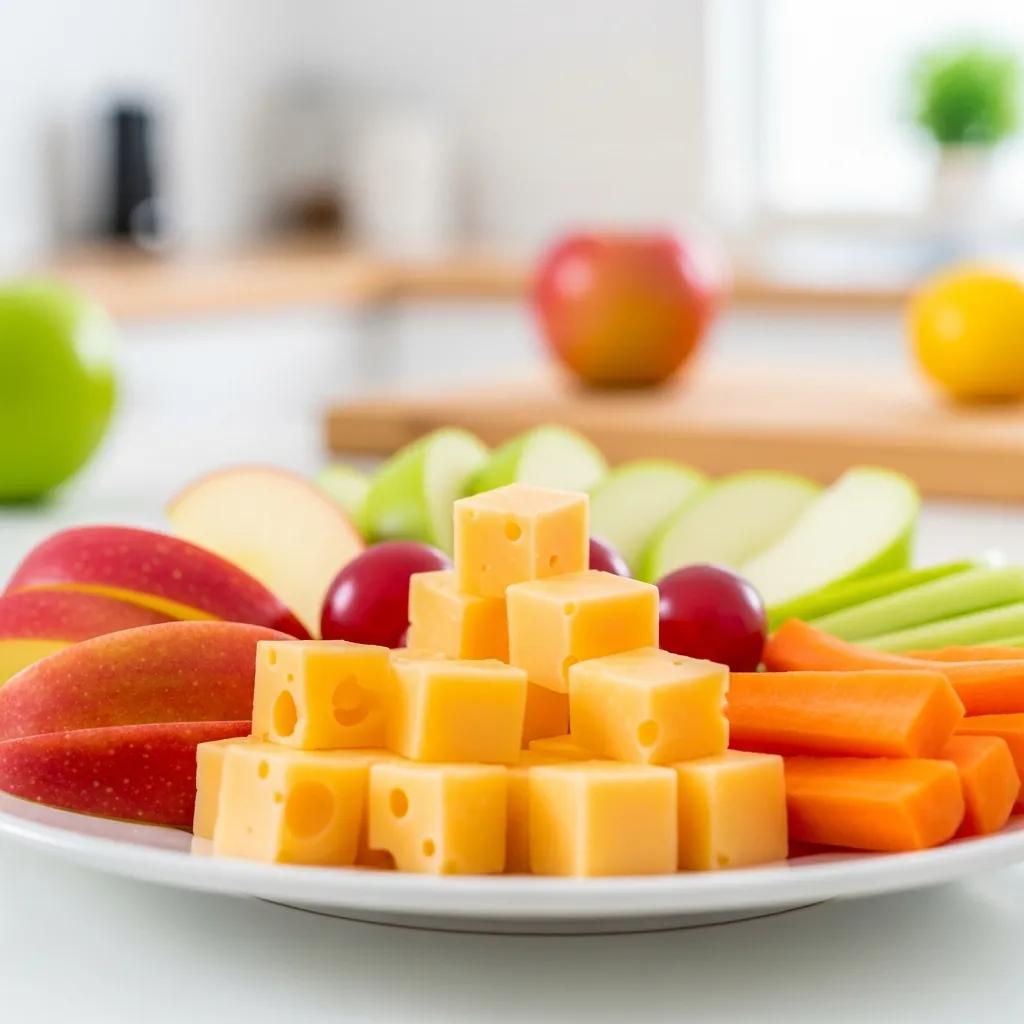
- Cheese Snacks: Cheese provides calcium and phosphate to strengthen enamel and helps neutralize acids in the mouth.
- Fresh Fruit: Apples, pears and other whole fruits add fiber and moisture that help clean teeth as kids chew, plus important vitamins.
- Crunchy Vegetables: Carrots, celery and similar veggies act like a gentle scrub for teeth while supplying vitamins and minerals.
| Snack Type | Nutrient | Benefit |
|---|---|---|
| Cheese | Calcium | Strengthens enamel and helps neutralize acids |
| Apples | Fiber | Helps clean teeth and adds hydration |
| Carrots | Beta-carotene | Supports gum health and overall nutrition |
Adding these snacks into your child’s routine can help protect their teeth between meals. If you’d like personalized guidance, our team at Unionville Gate Family Dentists can recommend snacks and routines that fit your child’s needs.
Which Dairy Snacks Strengthen Kids’ Tooth Enamel?

Dairy snacks are some of the easiest ways to support enamel. Cheese and plain yogurt supply calcium and casein, minerals that help remineralize teeth. Chewing cheese also boosts saliva, which neutralizes mouth acids.
- String cheese
- Cheese cubes
- Yogurt (choose plain or low‑sugar varieties)
These options are kid-friendly and effective at delivering the nutrients teeth need without added sugars.
How Do Crunchy Fruits and Vegetables Promote Oral Health?
Crunchy fruits and vegetables do double duty: they provide vitamins and fiber while mechanically cleaning tooth surfaces as kids chew. That gentle scrubbing helps remove food particles and reduce plaque buildup.
- Apples: Their texture helps clean teeth while delivering vitamin C and hydration.
- Carrots: Low in sugar and high in beta‑carotene, carrots are great for gums and overall health.
Encouraging these snacks helps children build good habits and keeps their mouths cleaner between brushings.
Which Foods Should Parents Avoid to Prevent Cavities in Kids?
Some common snacks increase cavity risk because they feed bacteria or cling to teeth. Limiting these makes a big difference in preventing decay.
- Sugary Drinks: Sodas, sweetened juices and sports drinks are high in sugar and expose teeth to acid attacks.
- Sticky Candies: Candies that stick to teeth hold sugar against enamel for longer, raising cavity risk.
- Very Acidic Snacks: Frequent consumption of citrusy or vinegar-based snacks can wear down enamel over time.
How Do Sugary Drinks and Sticky Candies Affect Children’s Teeth?
Sugary drinks and sticky sweets provide fuel for oral bacteria, which produce acids that erode enamel. Cutting back and swapping to water or lower‑sugar choices reduces those acid attacks.
Try offering water between meals, or flavored water with a slice of fruit, and choose snacks that don’t cling to teeth. These small changes lower decay risk while still giving kids tasty options.
What Are the Risks of Acidic and Starchy Snacks for Kids’ Oral Health?
Acidic foods soften enamel temporarily, making teeth more vulnerable. Starchy snacks like chips and crackers break down into sugars that feed bacteria. Both types increase the chance of decay if eaten often.
Balance is key: limit these snacks, and follow up meals or treats with water or a tooth‑friendly option to help protect enamel.
What Essential Nutrients Support Strong Teeth in Children?
A balanced diet supplies the building blocks for healthy teeth. Certain nutrients are especially important for developing and maintaining strong enamel and healthy gums.
- Calcium: Builds and maintains strong enamel and bone.
- Phosphorus: Works with calcium to reinforce teeth.
- Vitamin D: Helps the body absorb calcium effectively.
Why Are Calcium, Phosphorus, and Vitamin D Crucial for Tooth Development?
Calcium and phosphorus form the mineral foundation of teeth, while vitamin D improves calcium uptake. Together they support tooth strength and reduce the risk of decay.
Good sources include dairy, leafy greens, fortified cereals, and sunlight for vitamin D. Ensuring kids get these nutrients supports long‑term dental health.
How Do Fiber and Protein Contribute to Gum and Enamel Health?
Fiber helps clean teeth and stimulates saliva, while protein supports tissue repair and healthy gums. Including nuts, seeds, lean meats, and legumes gives children a mix of these benefits.
Balancing fiber and protein in snacks helps keep mouths cleaner and supports overall oral health.
How Can Parents Encourage Healthy Snacking Habits for Kids’ Dental Health?

Parents shape snack habits more than anything else. Simple routines and small choices make healthy snacking the easy default for kids.
- Keep Healthy Snacks Visible: Store fruits, veggies and dairy where kids can grab them easily.
- Model the Behavior: Children follow what they see—eat healthy snacks together whenever possible.
- Include Kids in Prep: Let them wash fruit, assemble skewers, or build parfaits—ownership increases interest.
What Are Easy, Tooth-Friendly Snack Ideas and Recipes for Busy Families?
Quick, nutritious snacks can be ready in minutes. Here are easy ideas that support teeth and satisfy hunger:
- Apple Slices with Cheese: A simple pairing of fiber and calcium.
- Veggie Sticks with Hummus: Crunchy vegetables plus protein for staying power.
- Yogurt Parfait: Layer plain yogurt with fresh fruit and a small sprinkle of granola.
These options travel well and are quick to prepare—perfect for school days and busy afternoons.
How Can Making Snacking Fun Improve Kids’ Oral Hygiene?
When healthy snacks are playful and creative, kids are more likely to choose them. Use cookie cutters, colorful plates, or themed snack trays to make eating healthy feel like a treat.
Turn snack time into a shared activity—kids who help prepare food are more open to tasting new things and keeping good habits.
Why Is Preventative Dental Care Important Alongside Healthy Snacking?
Healthy snacks help, but regular dental care completes the picture. Preventative visits pick up early issues and give families tools to protect smiles long term.
- Regular Check‑Ups: Routine exams and cleanings catch problems early and keep teeth healthy.
- Sealants: A simple protective coating that shields molars from decay.
- Fluoride Treatments: Strengthen enamel and reduce the chance of cavities.
How Do Regular Check-Ups, Sealants, and Fluoride Treatments Protect Kids’ Teeth?
Check‑ups let dentists spot trouble before it becomes serious. Sealants add a barrier on chewing surfaces, and fluoride helps rebuild and protect enamel. Together these measures lower decay risk and preserve healthy smiles.
Schedule routine dental visits and ask our team at Unionville Gate Family Dentists about sealants or fluoride if you’re unsure which options are right for your child.
When Should Parents Schedule a Dental Visit for Their Child?
We recommend a first dental visit by age one or within six months of the first tooth appearing. After that, regular visits every six months help monitor development and catch issues early.
Pairing regular dental care with smart snacking gives your child the best chance at strong, healthy teeth as they grow.
Frequently Asked Questions
What are some creative ways to make healthy snacks appealing to kids?
Use fun shapes, color, and involvement. Cut fruit and veggies into stars or animals, arrange colorful plates, or let kids assemble their own parfaits. Choosing playful containers or themed napkins can also help healthy options feel like a treat.
How can parents balance healthy snacks with occasional treats?
Keep most snacks nutritious but allow occasional treats so kids don’t feel restricted. Try an “80/20” approach—mostly healthy choices with room for the occasional indulgence. Teach moderation and offer healthier alternatives when possible.
What role does hydration play in children’s dental health?
Water keeps saliva flowing, which neutralizes acids and clears away food particles. Encourage water over sugary drinks, and offer water after snacks and meals to help protect teeth.
How can parents teach their children about the importance of dental hygiene?
Make learning hands‑on and fun. Use stories, games, or timers for brushing, and demonstrate proper techniques. Let kids pick a toothbrush or toothpaste they like—ownership and routine help build lasting habits.
What are some signs that a child may need to see a dentist?
Look for persistent tooth pain, sensitivity to hot or cold, visible dark spots or holes, trouble chewing, bleeding gums, or bad breath that doesn’t improve with brushing. Regular check‑ups will also catch issues early, even before symptoms appear.
How can parents encourage their children to try new healthy snacks?
Introduce new foods gradually alongside familiar favorites. Create a “snack of the week,” involve kids in grocery shopping, and make tasting a family activity. Positive reinforcement and repeated exposure help children accept new flavors.
Conclusion
Choosing tooth-friendly snacks, keeping sugary and sticky foods to a minimum, and staying consistent with dental check‑ups gives children a strong foundation for lifelong oral health. Small, practical changes—like pairing fruit with cheese, offering crunchy vegetables, and drinking water—add up. If you want tailored advice for your child’s needs, our team at Unionville Gate Family Dentists is here to help keep their smile healthy and bright.