Tongue Scraping: A Simple Way to Boost Oral Health and Freshen Your Breath
Tongue scraping is an easy, often-missed step that can make a real difference to your mouth health and breath. In this guide we explain why it works, how to do it safely, and how adding it to your routine can help with bad breath and taste issues. Whether you’re new to tongue scraping or want to do it more effectively, you’ll find clear, practical advice here to help you keep your mouth feeling fresher every day.
What are the main benefits of tongue scraping for oral health?
Tongue scraping helps remove bacteria, food debris, and dead cells from the tongue’s surface. That reduces the source of bad breath, can brighten taste sensations, and contributes to an overall cleaner mouth. Done regularly, it’s a simple habit that supports a healthier oral environment.
How does tongue scraping help reduce bad breath and halitosis?
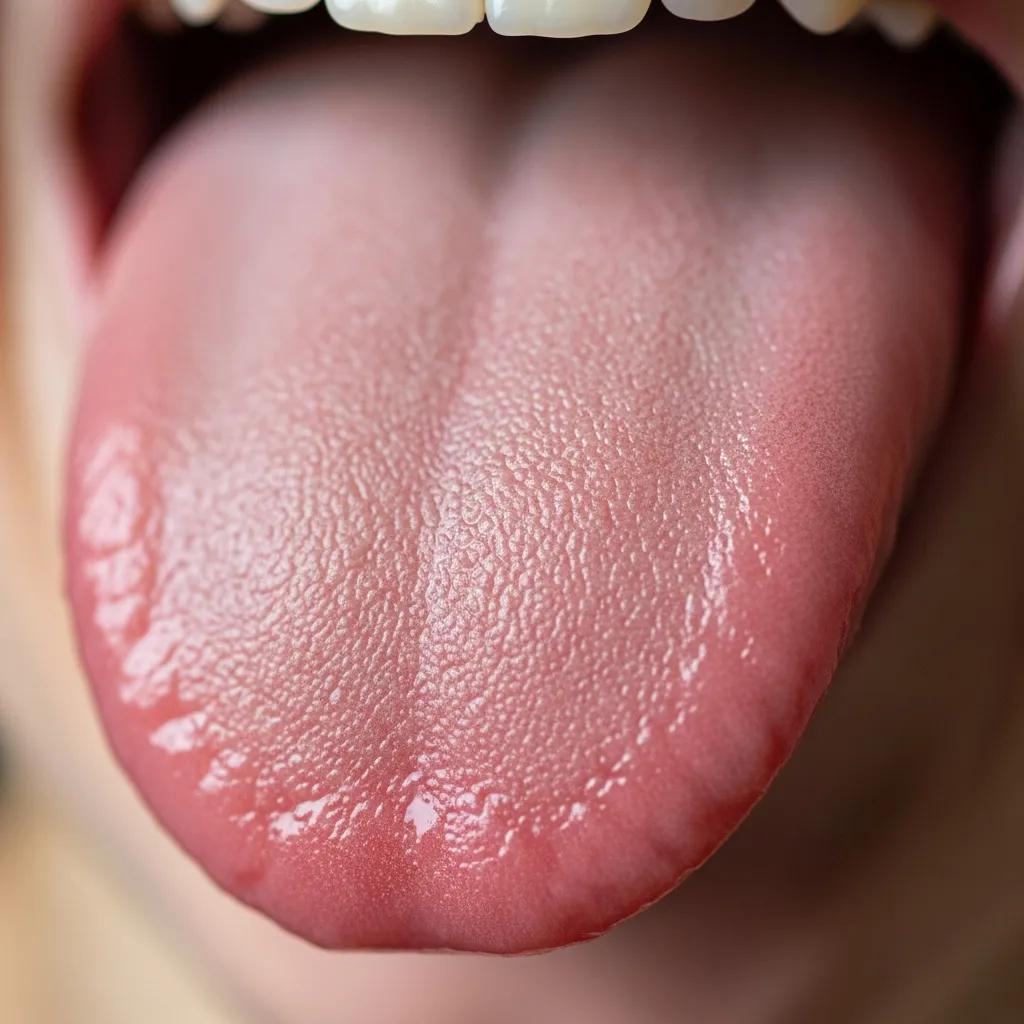
Tongue scraping lowers the number of bacteria and volatile sulfur compounds that collect on the tongue — common causes of persistent bad breath. People who scrape daily often notice their breath is fresher because the bacterial load in the mouth is reduced. Research supports that scraping can cut these odour-causing compounds more effectively than skipping the step.
How can tongue scraping improve taste and the look of your tongue?
Removing the thin layer of buildup on the tongue reveals more of your taste buds, so flavours come through more clearly. A cleaner tongue also looks healthier, which can be reassuring when you check your mouth in the mirror. Many patients say foods taste brighter after they make tongue scraping part of their routine.
How do I use a tongue scraper correctly for the best results?
Getting the most from tongue scraping comes down to choosing a scraper you’re comfortable with and using the right technique. Below are tips to help you scrape safely and effectively.
Which types of tongue scrapers do dentists recommend?
Common options include metal, plastic, and copper scrapers. Metal (stainless steel) models are sturdy and easy to clean. Plastic scrapers are lightweight and usually budget-friendly. Copper scrapers are popular for their traditional antimicrobial reputation, though evidence that they’re superior is limited. Pick the style that feels comfortable so you’ll keep using it regularly.
What’s a safe, step-by-step technique for tongue scraping?
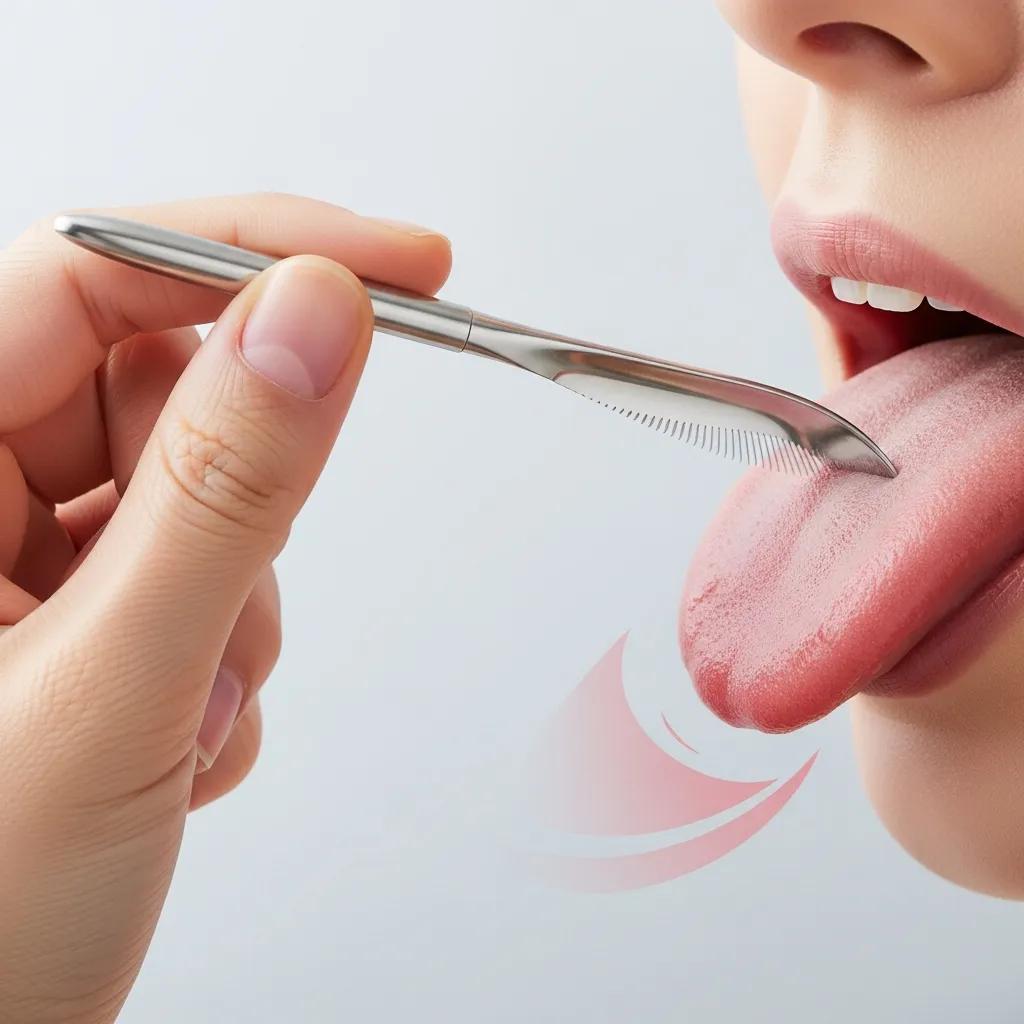
- Choose the right scraper: Use a scraper that feels comfortable in your hand and mouth.
- Position the scraper: Gently place it toward the back of your tongue without triggering the gag reflex.
- Scrape gently: Pull forward along the tongue’s surface using light pressure.
- Rinse and repeat: Rinse the scraper between passes and repeat 2–3 times or until the tongue feels clean.
- Clean the scraper: Wash it with soap and water after use and store it dry.
Why is tongue scraping often more effective than brushing your tongue?
Tongue scrapers are shaped to lift and remove surface buildup more directly than a toothbrush, which can miss or only partially clear debris. That focused action makes scraping a very effective addition to brushing and flossing.
What does the research say about scraping versus brushing?
Studies show tongue scraping can reduce bacteria and volatile sulfur compounds more effectively than brushing alone. That said, combining scraping with regular brushing and flossing delivers the most complete oral hygiene results.
How does tongue scraping fit with brushing and flossing?
Tongue scraping targets the tongue — an area that brushing and flossing don’t fully address. Using all three practices covers teeth, gums, and tongue for a more thorough daily clean and better breath control.
Are there common concerns or side effects to be aware of?
Tongue scraping is safe for most people, but you should use gentle technique and listen to your mouth. Below are common questions and simple ways to manage minor issues.
How can I handle a sensitive gag reflex and apply safe pressure?
If the gag reflex bothers you, start by scraping only the front half of the tongue and work further back as you get comfortable. Use light pressure and take slow, steady breaths. Over time most people adapt and can scrape more of the tongue without discomfort.
When should I see a dentist about tongue scraping?
If scraping causes persistent pain, bleeding, or irritation, stop and consult your dentist. Also mention any unusual oral symptoms during regular check-ups so we can give personalized advice and rule out underlying issues.
What do Unionville Gate Family Dentists recommend about tongue scraping?
At Unionville Gate Family Dentists, we encourage tongue scraping as a helpful daily habit that complements brushing and flossing. It’s an easy step families can add to promote fresher breath and better oral hygiene.
How can families in Unionville and Markham make tongue scraping a daily habit?
Set aside a moment each morning for tongue scraping and involve kids with a calm, encouraging approach. Use a child-friendly scraper for younger children and supervise until they can do it safely on their own. Making it part of the routine helps everyone benefit from improved fresh breath.
Why should tongue scraping be paired with regular dental care?
Tongue scraping supports daily hygiene but doesn’t replace professional care. Regular dental visits help detect and treat problems that home care can’t address. Combining good home habits with professional check-ups keeps mouths healthy long-term.
| Scraper Type | Material | Benefits |
|---|---|---|
| Metal | Stainless steel | Durable, easy to sterilize, effective at removing buildup |
| Plastic | BPA-free plastic | Lightweight, affordable, comfortable for beginners |
| Copper | Copper alloy | Traditional antimicrobial reputation; evidence of extra benefit is limited |
This table summarizes common scraper types to help you choose what fits your needs and comfort.
When added to a complete oral care routine, tongue scraping is a straightforward way to help control bad breath and improve how your mouth feels and tastes. Pair it with daily brushing, flossing, and regular dental visits for the best results.
Frequently asked questions
Can tongue scraping harm my oral health?
When done gently and correctly, tongue scraping is safe. Over-scraping or using excessive force can irritate the tongue. If you notice pain, bleeding, or persistent soreness, stop scraping and see your dentist for advice.
How often should I scrape my tongue?
Most people get the best results by scraping once a day, ideally in the morning before brushing. Some choose to scrape more often if they struggle with breath issues, but consistency is the key.
When can children start tongue scraping?
Children can usually begin around ages 5–7, once they understand how to use the scraper safely. Supervise and use a child-friendly scraper at first, and make the habit positive and simple.
What if I have a sensitive gag reflex?
Start by scraping only the front part of the tongue and gradually work back as you grow more comfortable. Use a gently curved scraper and practice deep, steady breathing to help reduce the gag reflex. If it remains a problem, ask your dentist for tips.
Can tongue scraping replace brushing and flossing?
No. Tongue scraping complements brushing and flossing but does not replace them. For full oral health, continue to brush and floss daily and include tongue scraping as an extra step.
Are there dietary tips to support tongue scraping?
A balanced diet, plenty of water, and foods high in fiber (like fruits and vegetables) help saliva naturally cleanse the mouth. Limiting sugary and acidic foods supports overall oral health and enhances the benefits of tongue scraping.
Final thoughts
Tongue scraping is a quick, low-effort habit that can help freshen breath, sharpen taste, and support overall oral health. Use the right technique, choose a scraper that feels good in your mouth, and combine scraping with regular brushing, flossing, and dental check-ups. If you’d like product recommendations or a demonstration, our team at Unionville Gate Family Dentists is happy to help.