Dental Implants in Markham: Cost vs. Benefits — A Clear, Practical Guide
Dental implants are a reliable, long-lasting way to replace missing teeth — they look natural and restore function. This guide explains typical implant costs in Markham, the advantages implants offer over bridges or dentures, and what to expect during recovery. Many people balance upfront cost against long-term value; our aim is to give you clear facts so you can make the right choice for your smile. We cover the implant process, a cost breakdown, comparisons with other options, recovery timelines, patient feedback, and local providers here in Markham.
Considering both the price and the lasting oral-health benefits is important when evaluating dental implants — that balance is the focus of ongoing discussion.
Dental Implants: Economic Cost–Benefit Considerations
Evidence shows dental implants often deliver better outcomes than alternative treatments, but usually at a higher cost. Economic evaluations aim to weigh that improved oral-health value against the additional expense, so clinicians and patients can judge the true benefit for each situation.
Cost–Benefit Evaluation of Dental Implants, 1990
What does the dental implant procedure look like in Markham?
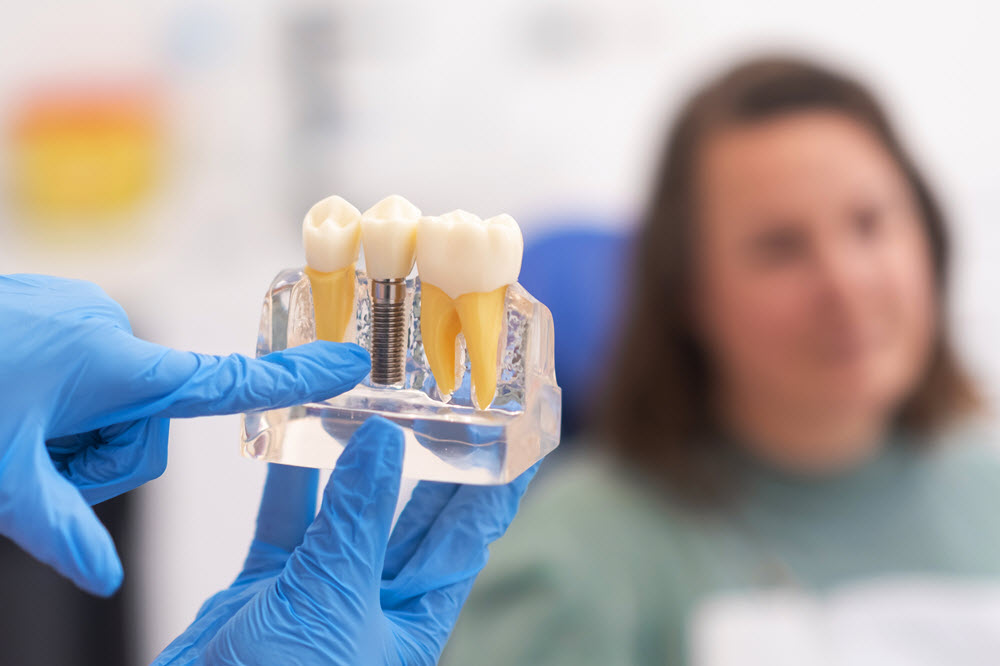
A dental implant replaces a missing tooth by placing a titanium post into the jawbone to act as an artificial root. This creates a stable base for a crown or other restoration that looks and functions like a natural tooth. The process happens in stages — consultation, surgery, healing, and final restoration — and knowing each step helps you prepare and feel confident about treatment.
Step-by-step overview of implant surgery
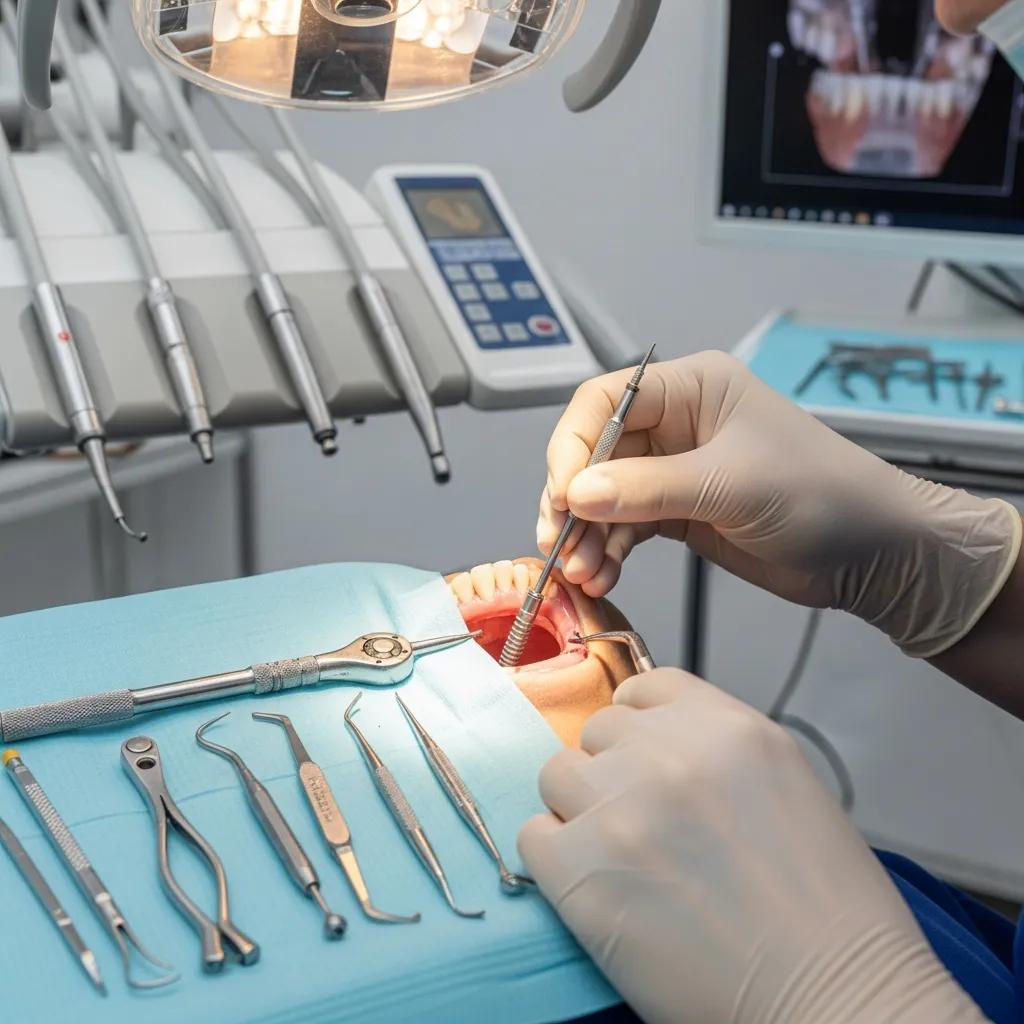
The dental implant journey typically follows these key steps:
- Initial consultation
: Your dentist reviews your oral and medical history, examines your mouth, and recommends a personalized treatment plan. - Surgical placement
: A titanium implant is placed into the jawbone. Over time it bonds with the bone in a process called osseointegration. - Healing period
: The implant integrates with the bone — this phase is essential for long-term stability. - Post‑operative care
: You’ll receive instructions and attend follow-ups so healing is tracked and any issues are addressed early. - Abutment and crown placement
: Once healed, an abutment is attached and a tailored crown is placed to complete the tooth replacement.
Following this structured plan helps ensure a smooth, well-supported implant experience from start to finish.
How much do dental implants cost in Markham?
Implant prices in Markham vary depending on procedure complexity, materials, and the clinic. Knowing typical cost components makes budgeting easier and helps you compare quotes more confidently.
Cost breakdown and typical price ranges
A single dental implant in the Markham area commonly falls between $3,000 and $5,000. That range usually includes placement surgery, the implant post, and the crown. Below is a breakdown of the main cost elements:
| Component | Estimated Cost |
|---|---|
| Implant Post | $1,500 – $3,000 |
| Abutment | $500 – $800 |
| Crown | $1,200 – $2,500 |
| Surgical Fees | $1,000 – $2,000 |
This table shows where costs typically come from so you can see what each part of treatment covers.
Making implants more affordable: payment and financing options
If cost is a concern, many practices — including Unionville Gate Family Dentists — offer financing plans, staggered payments, or guidance on insurance coverage. Ask about discounts for multiple implants and any available patient‑assistance programs to find a payment plan that fits your budget.
What benefits do implants offer compared with dentures or bridges?
Implants often outperform bridges and dentures in function, comfort, and long-term oral health. Knowing the practical advantages can help you decide which option best fits your lifestyle and goals.
Functional and aesthetic benefits over dentures and bridges
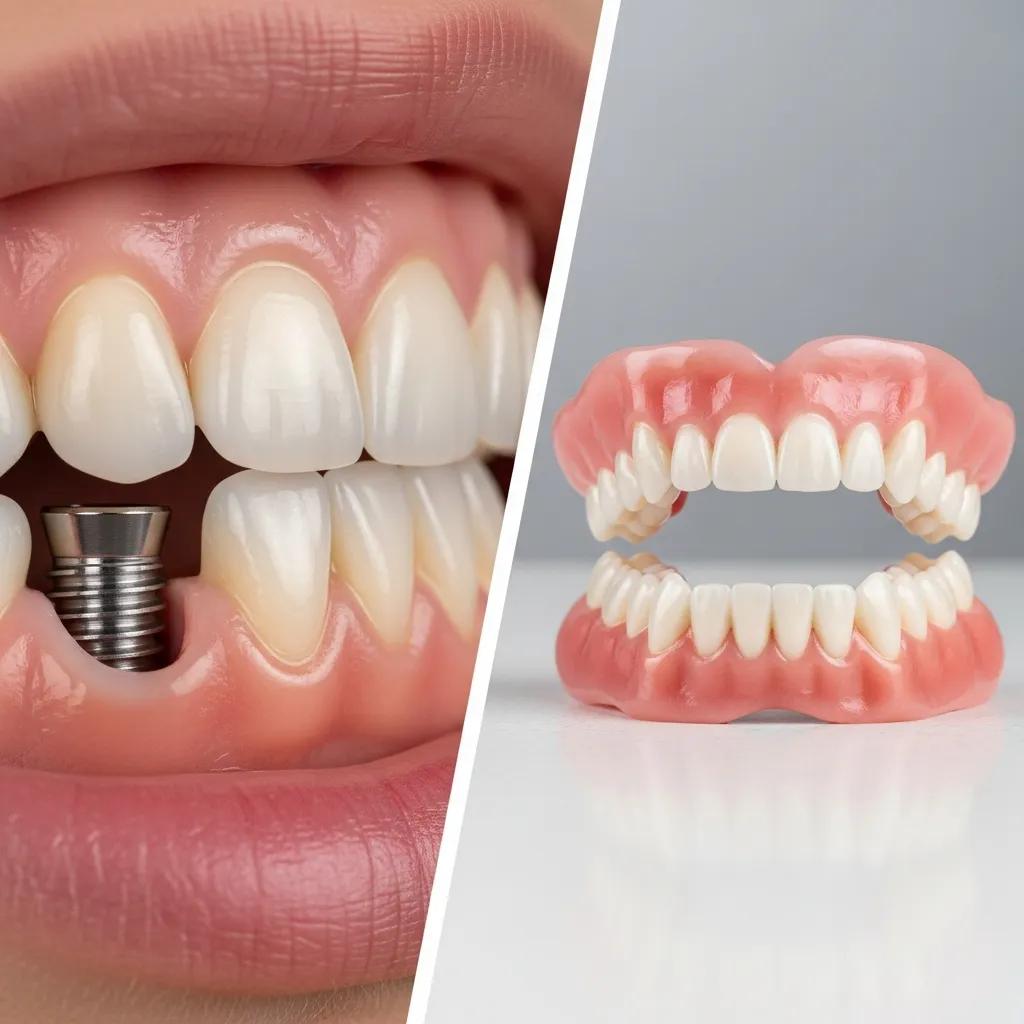
Key benefits of dental implants include:
- Better chewing function
: Implants act like natural teeth and don’t slip like removable dentures, so you can eat with more comfort and confidence. - Natural appearance
: A well-matched crown looks and feels like a real tooth, improving your smile’s appearance. - Increased confidence
: Because implants are secure and stable, many patients feel more confident speaking, smiling, and eating in social situations.
Those practical and aesthetic gains make implants the right choice for many people seeking tooth replacement.
Long-term oral-health benefits and durability
Beyond immediate function and looks, implants help preserve jawbone by transmitting chewing forces to the bone, which reduces bone loss after tooth loss. With good home care and regular dental visits, implants can last many years — often decades — making them a durable investment in your oral health.
What is the recovery time and aftercare like for dental implants?
Recovery is an important part of implant treatment. Knowing typical timelines and how to manage symptoms will make the process smoother and reduce anxiety about healing.
Even though implant surgery usually succeeds, careful pain and healing management is important for a comfortable recovery.
Managing pain and recovery after implant surgery
Implant placement generally has high success and low complication rates, but some patients do experience post‑operative pain and healing issues. Guidance on optimal pre‑ and post‑operative pain management helps clinicians support patients through the recovery period.
Pre-and post-operative management of dental implant placement. Part 1: management of post-operative pain, 2014
Typical healing timeline and care instructions
Healing varies by person, but a common timeline is:
- Initial healing
: The first few days may include swelling and discomfort that are usually controlled with medication and rest. - Osseointegration
: The implant bonds with the jawbone over about 3–6 months, depending on your bone quality and overall health. - Final restoration
: After successful integration, your dentist places the final crown and completes the restoration.
Follow your dentist’s aftercare instructions closely and attend follow-up visits to support a smooth recovery.
Tips for a successful recovery and long-term care
To help your implant heal well and last, consider these practical tips:
- Follow dietary advice
: Stick to soft foods in the early days so the surgical site isn’t irritated. - Keep the area clean
: Good oral hygiene reduces infection risk — follow any specific cleaning instructions from your team. - Attend follow-ups
: Regular checks let your dentist confirm healing and address any concerns early.
These straightforward steps make recovery easier and support implant longevity.
What do Markham patients say about their implant experiences?
Hearing from people who have had implants helps set realistic expectations. Patient stories often highlight clinical skill, thorough consultations, and satisfaction with the final result.
Testimonials and case notes from Unionville Gate Family Dentists
Many patients at Unionville Gate Family Dentists report positive outcomes after implant treatment — praising our team’s professionalism, clear explanations, and care during follow-ups. Their feedback reflects our focus on patient comfort and predictable results.
Patient satisfaction — including function, aesthetics, and quality of life — is an essential measure of long-term implant success.
Patient satisfaction and quality of life after implants
Implant survival and freedom from biological complications matter, but so does how patients feel about function (speech, chewing comfort, stability, cleanability) and appearance. Studies that track satisfaction years after treatment help show the real-life benefits of implant therapy.
Patient satisfaction and oral health-related quality of life 10 years after implant placement, D Bäumer, 2021
How reviews help new patients choose confidently
Online reviews and testimonials are useful when choosing a provider. Real patient feedback gives newcomers practical insight into the level of care and the results they can expect.
Who provides dental implants in Markham?
Markham has several clinics experienced with dental implant treatment, giving patients options for appointment times, technology, and financing.
Overview of notable clinics offering implants in Markham
A few recognized local clinics include:
- Unionville Gate Family Dentists
: A team-focused practice known for comprehensive care and a patient-centered approach. - Markham Dental Care
: Offers multiple implant options and financing support. - Dental Arts of Markham
: Provides advanced implant techniques and individualized treatment planning.
These clinics are noted for their experience and commitment to patient outcomes.
Choosing the right implant provider for you
When picking a provider, weigh these practical factors:
- Experience and credentials
: Look for clinicians with specialty training and solid implant experience. - Patient reviews
: Read testimonials to understand others’ experiences with care and results. - Consultation process
: A thorough, clear consultation shows a clinic’s commitment to personalized care.
Considering these points helps you find a provider who matches your expectations and needs.
Frequently Asked Questions
What are the potential risks and complications with dental implants?
Implants are generally safe, but possible risks include infection at the site, nerve irritation, sinus complications, or failed integration. Certain health issues — for example, uncontrolled diabetes or low bone density — can raise those risks. Discuss any medical conditions with your dentist so they can plan and reduce potential complications.
How long do dental implants usually last?
Implants are intended as a long-term solution and can last 10–30 years or more with good care. The implant fixture itself can last a lifetime in many cases, while the crown may need replacement every 10–15 years depending on wear. Regular check-ups and good oral hygiene help extend their life.
Are dental implants right for everyone?
Not everyone is an ideal candidate. Good overall health, sufficient jawbone, and consistent oral hygiene are important. Conditions such as uncontrolled diabetes, certain autoimmune illnesses, or heavy smoking can make healing harder. A dentist’s evaluation will determine if implants are a safe and reliable option for you.
What happens during the initial implant consultation?
During your first consultation, the dentist will review your medical history, examine your mouth, and usually take X-rays or 3D images to check bone structure. Expect a discussion of treatment options, expected outcomes, timeline, and costs. It’s a chance to ask questions and make sure the plan fits your needs.
How should I care for my implants after treatment?
Care for implants is much like caring for natural teeth. Brush twice daily, floss daily, and keep regular dental visits to monitor the implant and surrounding tissue. Avoid very hard foods during early healing and follow any specific instructions from your dentist to reduce infection risk and promote long-term success.
Are dental implants covered by insurance?
Coverage varies widely by insurer and plan — some may cover part of the procedure, others none. Check with your provider to understand your benefits. Many clinics also offer financing or payment plans to make treatment more affordable; ask your dental office about available options.
Conclusion
Dental implants in Markham provide a durable, natural-looking solution for missing teeth that can improve function and confidence. Knowing the costs, benefits, and recovery expectations helps you make a well-informed decision. Explore local clinics, ask about financing, and book a consultation to discuss whether implants are the right choice for your smile. When you’re ready, a trusted dental team can walk you through each step.