Canker Sores vs. Cold Sores: Understanding the Differences, Symptoms, Causes, and Treatments
Mouth sores can be painful and confusing. Canker sores and cold sores are common, but they’re very different in cause, appearance, and how we manage them. This guide walks you through what each one looks like, what usually causes them, common symptoms to watch for, treatment options, and when it’s a good idea to see a dentist. Our goal is to help you recognize the problem and take the right next step for relief.
What Are Canker Sores and Cold Sores? Definitions and Key Characteristics
Both are types of oral lesions, but they’re distinct problems — one is usually noninfectious and inside the mouth, the other is viral and often appears around the lips.
What is a Canker Sore?
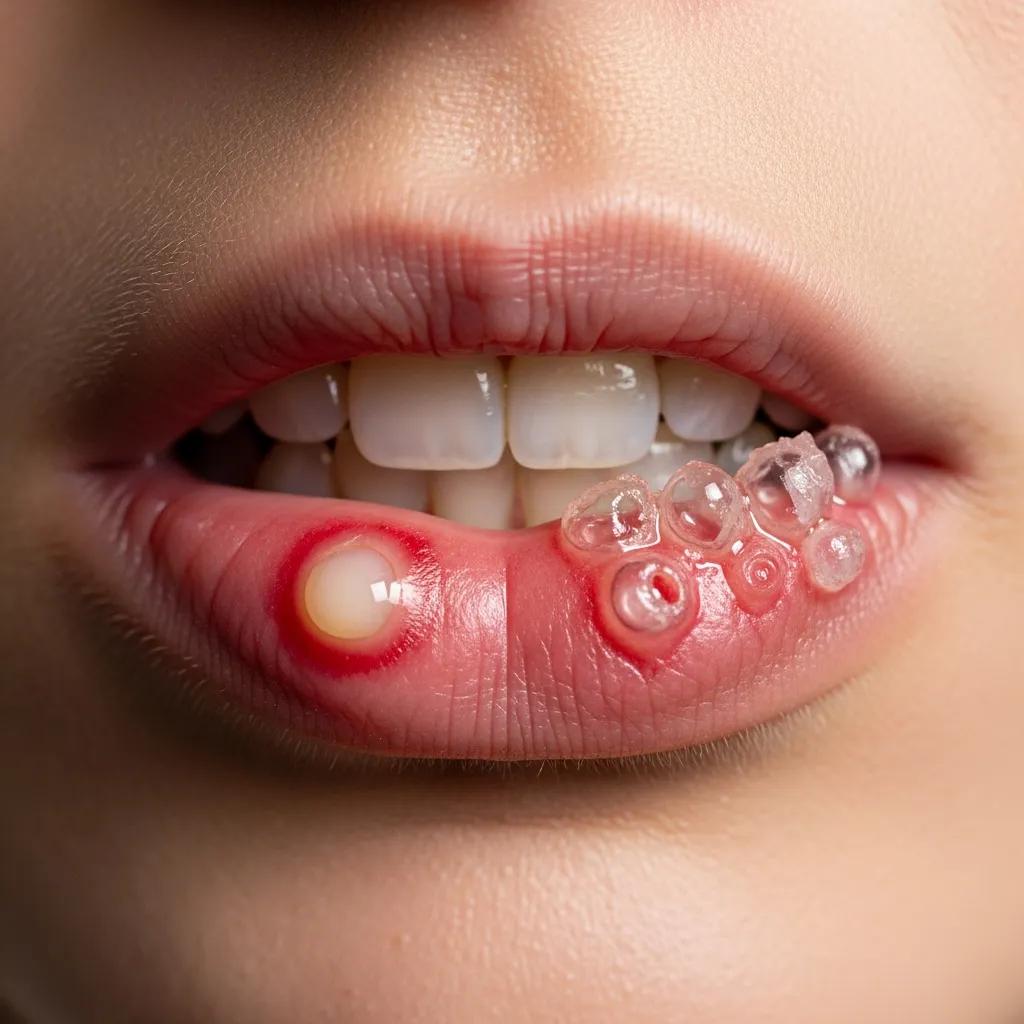
Also called an aphthous ulcer, a canker sore is a small, painful ulcer that forms on the soft tissues inside the mouth — on the gums, tongue, or inner cheeks. They’re typically round or oval, with a white or yellow center and a red border. Canker sores are not contagious and often appear after stress, minor mouth trauma, hormonal shifts, or with certain nutritional deficiencies.
What is a Cold Sore?
Cold sores (fever blisters) are caused by herpes simplex virus type 1 (HSV‑1). They usually show up on or just around the lips as clusters of fluid‑filled blisters that can itch or burn before breaking and crusting over. Cold sores are contagious and can spread through direct contact or by sharing items like utensils or lip products. They usually heal in one to two weeks, although the virus can remain dormant and reactivate later.
How Can You Identify and Differentiate Canker Sores vs. Cold Sores?
Telling these two apart helps you choose the right treatment and avoid spreading an infection when relevant.
What Are the Visual and Location Differences Between Canker Sores and Cold Sores?
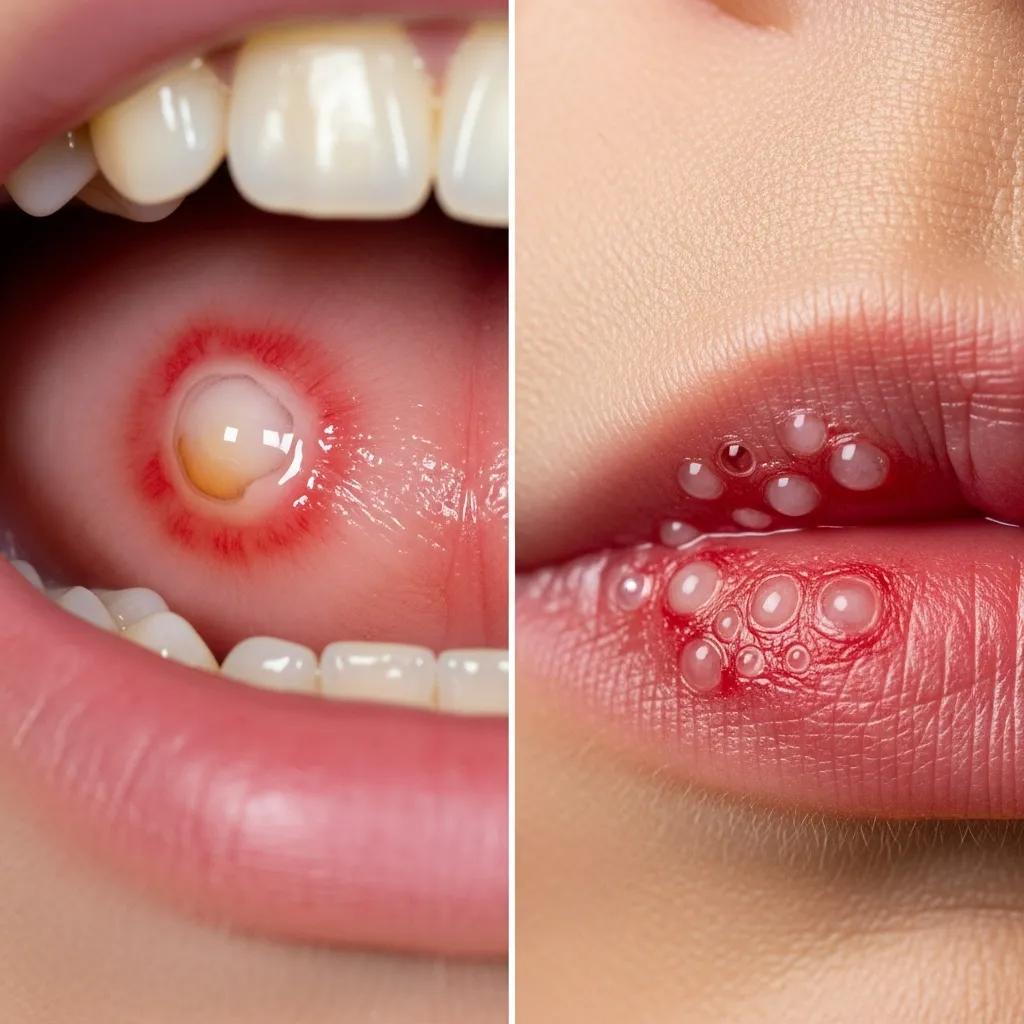
Canker sores appear inside the mouth and look like small ulcers with a pale center and red rim. Cold sores form on the lips or around the mouth and begin as tiny blisters that later burst and crust. Location and appearance are usually enough to tell them apart.
Are Canker Sores and Cold Sores Contagious? Understanding Contagious Mouth Sores
Canker sores are not contagious — you can’t pass them to someone else. Cold sores are contagious because of HSV‑1 and can spread through direct contact (kissing) or shared items (towels, lip balm). Knowing this difference helps prevent transmission.
What Are the Causes and Triggers of Canker Sores and Cold Sores?
The two conditions have different triggers. Canker sores often relate to local irritation or health factors; cold sores are caused by viral activity that can reactivate under stress or illness.
What Causes Canker Sores?
- Stress and Trauma: Emotional stress or a bite/abrasion inside the mouth can spark a canker sore.
- Nutritional Deficiencies: Low levels of vitamin B12, folate, or iron are linked to more frequent sores.
- Food Sensitivities: Acidic or spicy foods (like citrus or hot peppers) can trigger or worsen them for some people.
What Causes Cold Sores?
- Stress: Physical or emotional stress can reactivate HSV‑1 and cause an outbreak.
- Illness: A weakened immune system from another illness makes reactivation more likely.
- Sun Exposure: Strong sunlight on the lips can trigger cold sores in susceptible people.
What Are the Common Symptoms and Oral Herpes Signs to Watch For?
Recognizing early signs helps you treat faster and feel better sooner.
What Symptoms Indicate a Canker Sore?
- Pain and Discomfort: Soreness that often gets worse with eating or talking.
- Appearance: Small, round or oval ulcers with a pale center and red rim.
- Duration: Most heal on their own in one to two weeks.
What Are the Symptoms of Cold Sores?
- Tingling Sensation: A burning or tingling feeling often precedes the blisters.
- Blister Formation: Groups of fluid‑filled blisters that can break open and crust.
- Healing Process: Usually clears in one to two weeks, though the virus remains in the body.
How Are Canker Sores and Cold Sores Treated and Managed?

Treatment focuses on easing pain, speeding healing, and — for cold sores — reducing viral activity and transmission risk.
What Are Effective Treatments for Canker Sores?
- Over‑the‑Counter Pain Relief: Gels or pastes with benzocaine can numb the area and make eating easier.
- Topical Treatments: For severe or persistent ulcers, your dentist may prescribe medicated rinses or corticosteroid pastes.
- Home Remedies: Saltwater or baking‑soda rinses, and avoiding irritating foods, often help speed recovery.
How Are Cold Sores Treated?
- Antiviral Medications: Prescription antivirals can shorten outbreaks when started early.
- Topical Treatments: Over‑the‑counter creams (like docosanol) can relieve symptoms and may speed healing.
- Preventative Measures: Avoiding triggers (stress, excessive sun) and not sharing personal items reduces spread.
When Should You See a Dentist for Mouth Sores? Guidance for Unionville/Markham Residents
If a sore is severe, unusual, or won’t heal, it’s wise to get a professional opinion. We’re here to help local patients get the right care quickly.
When Are Mouth Sores a Sign to Seek Professional Dental Care?
Make an appointment if you have any of the following:
- Persistent Sores: Lesions that don’t improve in two weeks deserve evaluation.
- Severe Pain: If pain prevents normal eating, drinking, or speaking, seek help.
- Recurring Issues: Frequent outbreaks may point to an underlying condition that needs attention.
How Can Unionville Gate Family Dentists Help Diagnose and Treat Mouth Sores?
Our team provides thorough exams, diagnoses the likely cause, and recommends a treatment plan tailored to you — whether that means a prescription, topical therapy, or guidance on home care and prevention. We focus on practical, patient‑centered care to get you comfortable faster.
| Treatment | What it does | Typical effectiveness |
|---|---|---|
| Over‑the‑Counter Pain Relief | Topical numbing agents (e.g., benzocaine) to reduce pain during meals and daily activities | Moderate |
| Antiviral Medications | Prescription drugs to shorten and lessen cold sore outbreaks when taken early | High |
| Topical Treatments | Creams or medicated pastes to ease symptoms and support healing | Moderate |
The table highlights common approaches and their typical benefit — your dentist can help choose the best option for your situation.
Frequently Asked Questions
Can stress really trigger canker sores and cold sores?
Yes. Stress can weaken the immune system and trigger HSV‑1 reactivation (cold sores). It’s also a common factor in canker sore outbreaks, likely by increasing inflammation or making the mouth more sensitive to minor injury. Stress management, sleep, and healthy habits can reduce how often they appear.
Are there any dietary changes that can help prevent canker sores?
Some people find avoiding acidic or spicy foods (citrus, tomatoes, hot peppers) helps. Also, ensuring adequate intake of vitamin B12, folate, and iron supports oral health. If you suspect a deficiency, talk with your dentist or doctor before starting supplements.
How long do cold sores typically last, and can they be treated faster?
Cold sores usually clear in about one to two weeks. Antiviral medication started at the first sign (tingling or burning) shortens the outbreak and may reduce symptoms. Over‑the‑counter creams can also help with symptom relief.
What home remedies are effective for treating canker sores?
Rinsing with saltwater or a baking‑soda solution can soothe and reduce inflammation. Applying honey or aloe vera may provide gentle relief for some people. Avoid spicy, acidic, or sharp foods until the sore heals. If sores persist or worsen, seek professional advice.
Can cold sores be transmitted even when there are no visible symptoms?
Yes. HSV‑1 can be spread during asymptomatic shedding, so it’s possible to transmit the virus even without visible blisters. Good hygiene and avoiding close contact during known outbreaks help reduce the risk.
What should I do if my canker sores keep coming back?
Track when outbreaks happen and look for triggers (foods, stress, injuries). Recurring sores can be related to nutritional gaps, hormonal changes, or other health issues. If they’re frequent or severe, schedule a visit so we can investigate causes and suggest targeted treatments.
Conclusion
Knowing the difference between canker sores and cold sores helps you pick the right care — whether it’s simple home remedies, prescription treatment, or a dental visit. If you’re unsure or if a sore won’t heal, our team at Unionville Gate Family Dentists is ready to evaluate and help you feel better. Visit our office or contact us for personalized guidance.