Dental Care for Seniors: Practical Steps to Keep Your Smile Healthy as You Age
As we get older, oral health plays a bigger role in comfort, nutrition, and overall health. Older adults commonly face challenges like gum disease, tooth decay, and dry mouth—issues that can affect daily life. This guide outlines straightforward, practical strategies for seniors to protect their mouths: common problems to watch for, ways to prevent trouble, restorative choices, and special considerations for senior dental care. With a few proactive steps and regular dental support, older adults can keep their smiles comfortable and functional.
What Are the Most Common Oral Health Issues Affecting Seniors?
Many older adults experience dental concerns that can reduce comfort and quality of life. The most frequent problems are:
- Gum Disease: A common issue that, if untreated, can lead to tooth loss and may be tied to other health conditions. Early detection and treatment matter.
- Dry Mouth: Also called xerostomia. It’s often caused by medications or health conditions and can raise the risk of decay and gum problems.
- Tooth Decay: Teeth become more vulnerable over time due to lower saliva flow, changes in diet, and wear. Cavities can develop even on older teeth.
Knowing these risks helps seniors and caregivers take the right steps to protect oral health.
How Does Gum Disease Impact Elderly Oral Health?
Gum (periodontal) disease can cause swollen, tender gums, persistent bad breath, and loose teeth. Beyond the mouth, it’s been linked with conditions such as heart disease and diabetes. Treatment ranges from improved home care and professional cleanings to deeper treatments when needed. Regular dental exams help catch gum disease early, when it’s easier to manage.
What Causes Dry Mouth and How Can Seniors Manage Xerostomia?
Dry mouth often results from prescription medications, certain medical conditions, or simply not drinking enough fluids. It can make speaking and swallowing harder and increases cavity risk. Management strategies include sipping water frequently, using saliva substitutes or sugar-free lozenges, and avoiding tobacco, alcohol, and excessive caffeine. Your dentist can suggest products and habits that relieve symptoms.
How Can Seniors Prevent Dental Problems and Maintain Oral Hygiene?
Prevention is the most effective way to keep a healthy mouth as you age. Simple daily habits and regular dental visits cut the risk of many common problems.
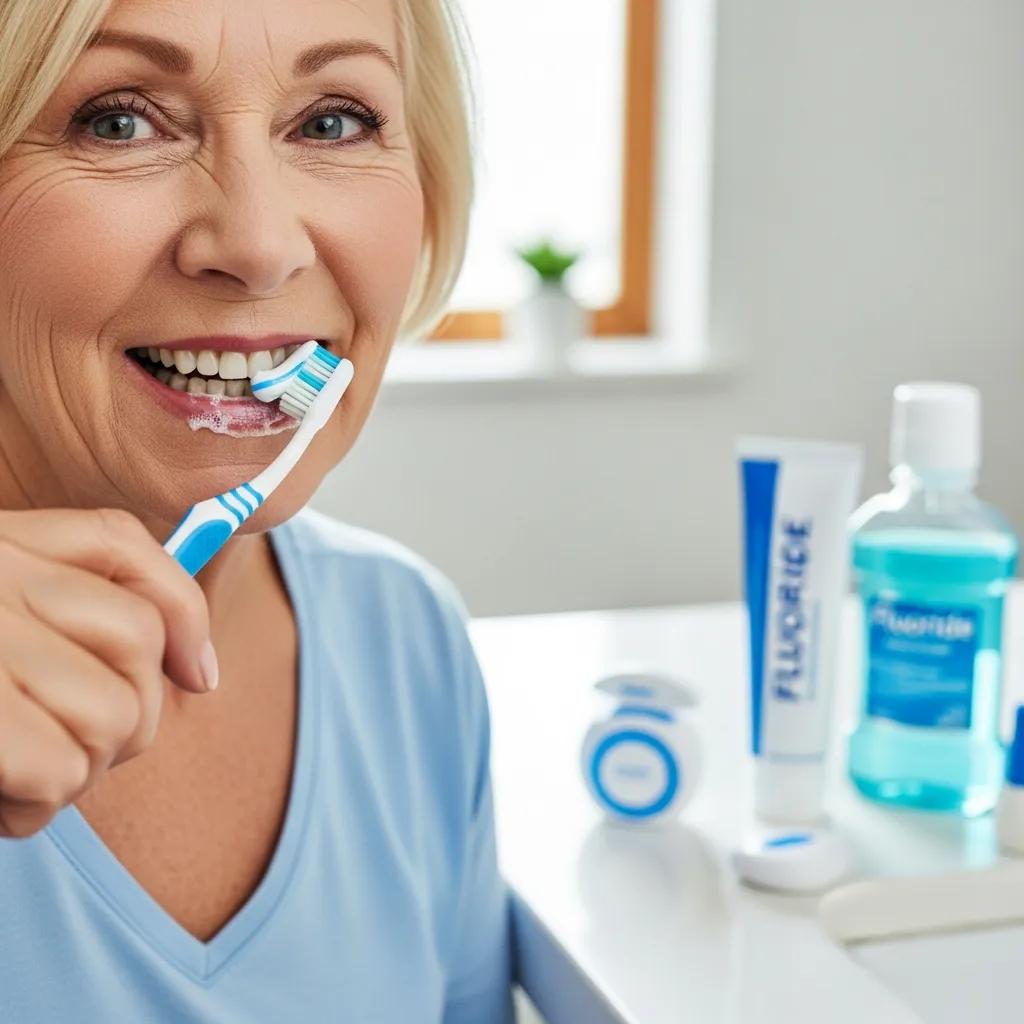
- Daily Oral Hygiene Practices: Brush at least twice a day with fluoride toothpaste and clean between teeth daily to remove plaque and food debris.
- Importance of Regular Check-ups: Routine dental exams and professional cleanings let your dentist address issues early and keep gums and teeth healthy.
- Nutritional Considerations: A balanced diet rich in vitamins and minerals supports oral tissues. Foods like dairy, fruits, and vegetables help maintain strong teeth and gums.
Adding these habits into everyday routines makes a big difference in long-term oral health.
What Are Optimal Oral Hygiene Practices for Older Adults?
Key daily practices for seniors include:
- Brushing: Choose a soft-bristled brush and fluoride toothpaste. Brush for two minutes, covering all tooth surfaces and along the gumline.
- Flossing: Clean between teeth once a day with floss, floss picks, or interdental brushes to remove plaque where a toothbrush can’t reach.
- Mouthwash: An antibacterial or fluoride rinse can help reduce plaque and strengthen enamel—ask your dentist which is best for you.
These simple steps protect against decay and gum disease and keep the mouth feeling fresher.
How Do Nutrition and Regular Dental Check-ups Support Senior Oral Health?
Good nutrition and regular dental care work together to preserve oral health. Seniors should aim for:
- Calcium and Vitamin D: Important for strong teeth and jawbone health.
- Fruits and Vegetables: High-fiber, water-rich choices stimulate saliva and help clean the mouth naturally.
- Limit Sugary Foods: Cutting back on sugar lowers the chance of cavities and gum inflammation.
Routine dental visits provide professional cleanings and early treatment, which are essential for keeping small problems from becoming serious.
What Restorative and Prosthetic Dental Options Are Available for Seniors?
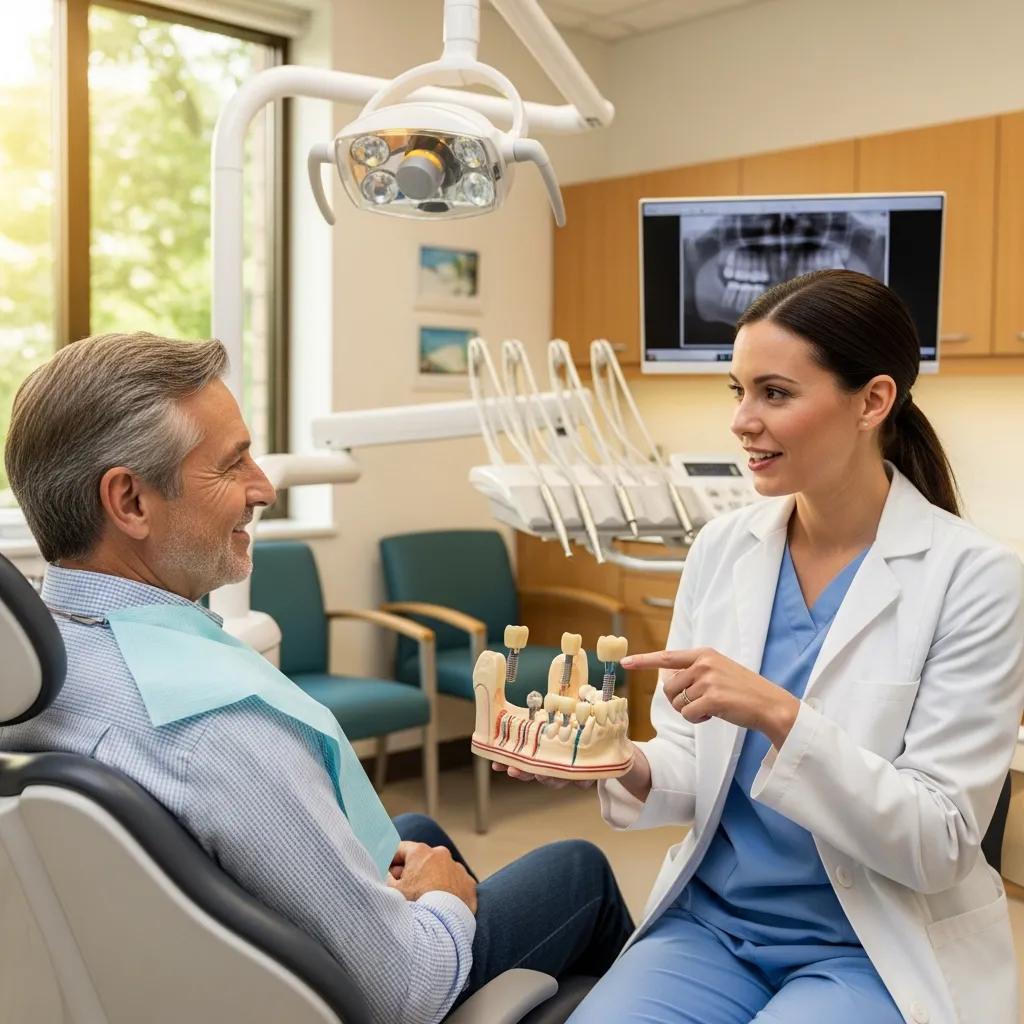
When teeth are lost or damaged, restorative and prosthetic solutions restore chewing ability, speech, and confidence. Options vary in cost, comfort, and longevity.
- Dentures: Full or partial dentures replace missing teeth and help restore chewing and speech.
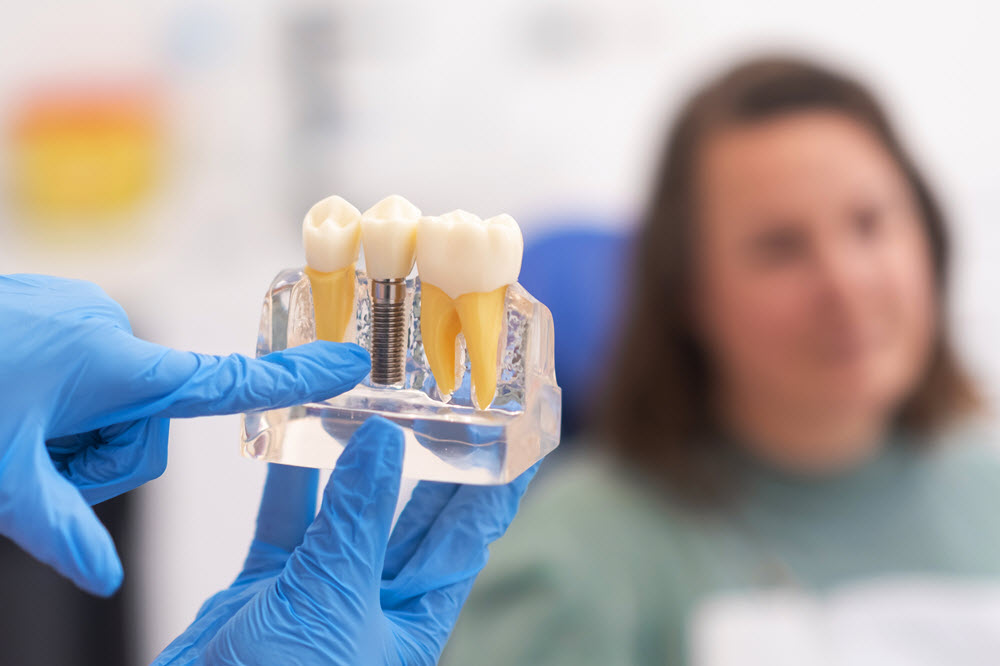
- Dental Implants: A long-lasting option that replaces the tooth root and helps prevent bone loss in the jaw.
- Crowns and Bridges: Crowns protect weakened teeth; bridges replace one or more missing teeth by anchoring to neighboring teeth.
Discussing goals, budget, and health with your dentist will help you choose the best option.
How Do Dentures and Dental Implants Benefit Senior Patients?
Dentures offer an affordable way to replace many teeth and improve function quickly. Implants provide a more permanent, stable result and help preserve jawbone health. Both can make eating and speaking easier and improve overall quality of life. Your dentist will review which choice fits your medical history and daily needs.
When Are Crowns, Bridges, and Fillings Recommended for Aging Teeth?
Restorations like crowns, bridges, and fillings are recommended when teeth are decayed, cracked, or worn. Crowns strengthen and protect weakened teeth; bridges replace missing teeth in a fixed way; fillings repair cavities. These treatments restore function and appearance so you can enjoy meals and smile with confidence.
What Special Considerations Should Be Taken in Senior Dental Care?
Seniors often have health or mobility factors that change how dental care is delivered. Addressing these helps make treatment safer and easier.
- Impact of Medications: Many prescriptions cause dry mouth or affect gum health. Share your medication list with your dentist so we can recommend appropriate care.
- Arthritis and Dental Care: Joint pain can make brushing and flossing difficult. Adaptive tools and electric toothbrushes can simplify daily care.
- Cognitive Challenges: People with dementia may need help with oral hygiene—caregivers can learn gentle, effective techniques and establish a calming routine.
Planning for these factors helps seniors get comfortable, consistent dental care.
How Do Medications and Arthritis Affect Oral Health in Seniors?
Some medications reduce saliva, increasing cavity and gum disease risk—talk to your doctor and dentist about options. Arthritis can limit hand strength, so consider ergonomic handles, electric brushes, or floss holders to make home care manageable and effective.
How Is Dental Care Adapted for Seniors with Dementia or Dexterity Challenges?
For seniors with memory or movement difficulties, caregivers can assist with brushing and flossing and use adaptive products that simplify the process. Electric toothbrushes, one-handed floss tools, and short, consistent routines help keep the mouth healthy while reducing stress for the patient.
How Do Accessibility and Financial Factors Influence Senior Dental Care?
Practical issues—like getting to appointments or paying for care—often affect whether seniors receive the treatment they need. Addressing access and affordability is part of comprehensive senior care.
- Dental Insurance Options: Understanding your plan can reduce out-of-pocket costs for preventive and restorative care.
- Accessibility of Dental Services: Practices with wheelchair access, convenient parking, and flexible scheduling make visits easier for older patients.
- Financial Assistance Programs: Community resources and government programs may help cover some dental costs for eligible seniors.
Knowing what’s available can remove barriers and make timely dental care possible.
What Dental Insurance Options and Canadian Dental Care Plan Benefits Are Available for Seniors?
Seniors should review private and public dental coverage to see which preventive and restorative services are included. The Canadian Dental Care Plan, announced in 2022, aims to help eligible low- and middle-income Canadians—including seniors—reduce out-of-pocket dental costs. Check eligibility and covered services to make the most of available benefits.
How Does Unionville Gate Family Dentists Support Accessibility for Older Patients?
At Unionville Gate Family Dentists, we prioritize accessibility and patient comfort. We offer flexible appointment times, a patient-focused approach, and modern tools to make visits smooth for older adults. Our team works with patients and caregivers to plan care that fits each person’s needs.
| Service | Description | Benefits |
|---|---|---|
| General Dentistry | Routine exams and professional cleanings | Helps prevent and catch problems early |
| Diagnostic Services | X-rays and thorough oral assessments | Detects issues before they progress |
| Preventative Services | Fluoride treatments and sealants | Reduces the chance of cavities |
| Orthodontics/Invisalign | Options to straighten teeth discreetly | Improves bite function and appearance |
| Cosmetic Dentistry | Teeth whitening and veneers | Enhances smile confidence |
| Wisdom Teeth | Safe extraction services | Prevents future complications |
| Prosthetic Dentistry | Dentures, implants, and prostheses | Restores chewing, speech, and looks |
| Periodontal Services | Treatment and maintenance for gum disease | Protects gum and bone health |
The table above summarizes the core services we provide at Unionville Gate Family Dentists, reflecting our commitment to complete, senior-friendly care.
In short, keeping oral health a priority makes aging more comfortable and helps maintain overall well-being. By recognizing common issues, following simple preventive steps, and exploring appropriate restorative options, seniors can preserve function and confidence in their smiles. Our team at Unionville Gate Family Dentists is here to support you every step of the way.
Frequently Asked Questions
What are the signs that a senior may need to see a dentist?
Look for persistent tooth pain, swollen or bleeding gums, trouble chewing or swallowing, changes in taste, or discomfort with dentures. Dry mouth or loose teeth are also reasons to see a dentist promptly. Regular check-ups remain important even if no symptoms appear.
How can seniors improve their oral hygiene routine?
Seniors can improve at-home care by using a soft-bristled brush with fluoride toothpaste, brushing for two minutes twice a day, and cleaning between teeth daily. Mouth rinses recommended by your dentist and routine professional cleanings help maintain a healthy mouth.
What role does hydration play in oral health for seniors?
Staying hydrated supports saliva production, which neutralizes acids and clears food particles. Drinking water regularly and eating hydrating foods like fruits and vegetables help reduce cavity risk and support overall oral comfort.
Are there specific dental products recommended for seniors?
Yes. Fluoride toothpaste strengthens enamel, soft-bristled brushes protect gums, and interdental brushes or flossers can be easier to handle than traditional floss. For dry mouth, saliva substitutes and specialized rinses can provide relief—ask your dentist which products suit you best.
How can caregivers assist seniors with their dental care?
Caregivers can help by establishing a consistent brushing and flossing routine, using adaptive tools when needed, and managing dental appointments. They should also watch for changes in oral health and report concerns to the dental team so problems can be addressed early.
What are the benefits of using electric toothbrushes for seniors?
Electric toothbrushes offer consistent cleaning motions and built-in timers to ensure full brushing time. They can remove plaque more effectively than manual brushing for some users and are easier to hold—especially helpful for seniors with arthritis or limited dexterity.
Conclusion
Good oral health supports comfort, nutrition, and quality of life as we age. By understanding common senior dental issues, practicing consistent prevention, and considering appropriate restorative care, seniors can enjoy healthier mouths for years to come. If you’re due for a check-up or have questions about senior dental care, the team at Unionville Gate Family Dentists is ready to help—book an appointment today.