Personalized Dental Medicine — Your Care, Designed for You
Personalized dental medicine shifts care from “one-size-fits-all” to plans built around you. In this article we explain what personalized dental medicine is, why it matters, and how it differs from traditional dentistry. You’ll also learn how tools like genomic testing, artificial intelligence, and custom oral-health plans help us deliver better, more predictable care. Many people get generic treatment that doesn’t fully match their needs — that can mean slower progress or repeat visits. Personalized care changes that by factoring in genetics, lifestyle, and your environment. Below we outline how this approach works, and how Unionville Gate Family Dentists brings it to life in our practice.
What is Personalized Dental Medicine and How Does It Benefit You?
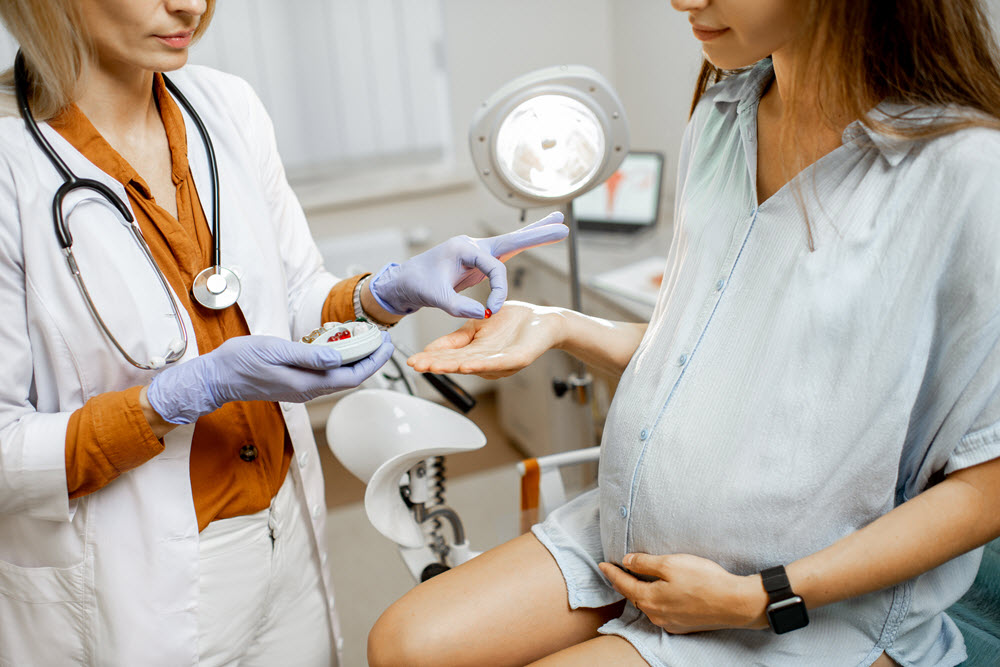
Personalized dental medicine means tailoring care to each patient’s unique makeup — their genes, habits, health history, and personal goals. Rather than applying the same protocol to everyone, we use available data and modern tools to build treatment plans that fit the individual. That targeted approach helps treatments work better and feel more relevant to you.
The benefits are practical and noticeable. Patients usually report higher satisfaction because the plan reflects their needs and preferences, which makes it easier to follow recommendations. Personalized care also targets root causes instead of only treating symptoms, which can improve outcomes and reduce repeat procedures.
At Unionville Gate Family Dentists, this patient-first mindset guides everything we do. We combine clinical experience with technology to offer treatments that match each person’s situation — so you get care that’s both effective and appropriate.
How Does Personalized Dental Care Differ from Traditional Dentistry?
Personalized care stands apart from traditional dentistry in three main ways. First, it starts with a fuller picture of the patient — medical history, genetic risk, and lifestyle all matter. That broader view supports more accurate diagnoses and plans tailored to the person, not just the problem.
Second, it brings in advanced tools — like genomic testing and AI — to guide decisions. For example, genomic markers can reveal a higher risk for certain gum conditions, letting us act earlier and prevent problems rather than react to them.
Finally, personalized care is collaborative. We invite patients into the decision-making process so plans match their comfort level and goals. When you’re part of the plan, adherence and results both improve.
What Are the Key Advantages of Tailored Dental Treatment?
Tailored dental treatment delivers clear advantages for patients. Here are the top benefits:
- Improved Patient Satisfaction: Care that reflects your needs and preferences leads to a better experience and higher confidence in treatment.
- Enhanced Treatment Effectiveness: Addressing the specific causes of a condition helps treatments work more reliably than generic approaches.
- Long-term Health Benefits: Proactive, personalized prevention lowers the chance of future problems and can reduce the need for invasive care.
| Advantage | Description | Impact Level |
|---|---|---|
| Improved Patient Satisfaction | Treatments tailored to individual needs enhance the patient experience. | High |
| Enhanced Treatment Effectiveness | Targeted approaches yield better clinical outcomes. | High |
| Long-term Health Benefits | Preventive measures reduce future dental complications. | Medium |
These benefits show why personalized dental medicine is becoming the standard in modern dental care.
How Does Genomic Dentistry Influence Your Oral Health?
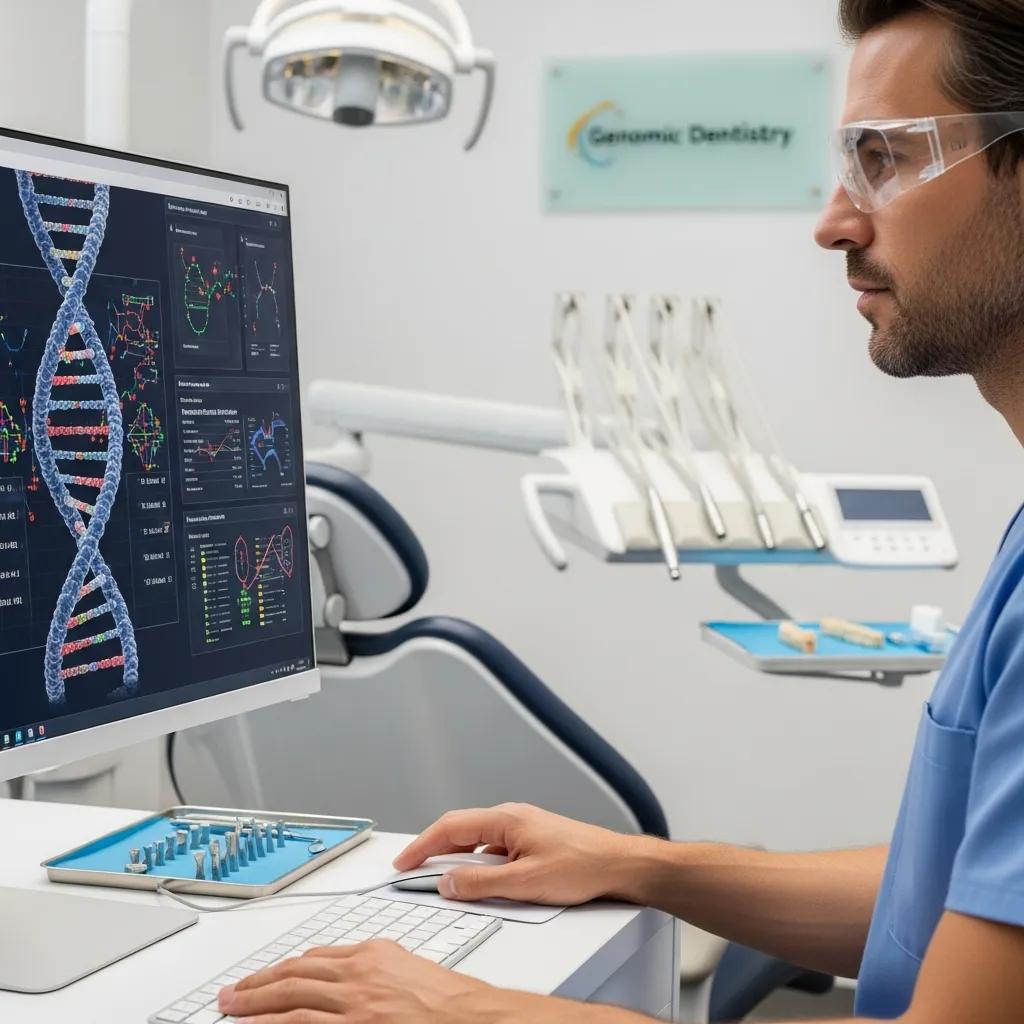
Genomic dentistry studies how your genes affect oral health. By understanding genetic risk factors, we can design prevention and treatment strategies that are better matched to you.
What Role Do Genetic Predispositions Play in Dental Diseases?
Genetic factors can influence the likelihood of conditions such as periodontal disease, tooth decay, and even some oral cancers. Certain markers may signal a higher risk for gum disease, for example, which guides us to recommend earlier or more frequent interventions.
Knowing these genetic clues helps us craft prevention and treatment plans that are proactive and specific to each patient’s risk profile, improving long-term oral health.
How Is Genetic Testing Used to Customize Your Dental Care?
Genetic testing provides information about predispositions that may affect dental health. When tests show higher risk for a condition, we can adjust care — such as scheduling more frequent cleanings, offering tailored home-care advice, or choosing different materials and techniques.
This individualized approach improves the chance of success for treatments and gives patients clear guidance to manage their oral health more effectively.
In What Ways Does AI Enhance Personalized Dental Diagnostics and Treatment?
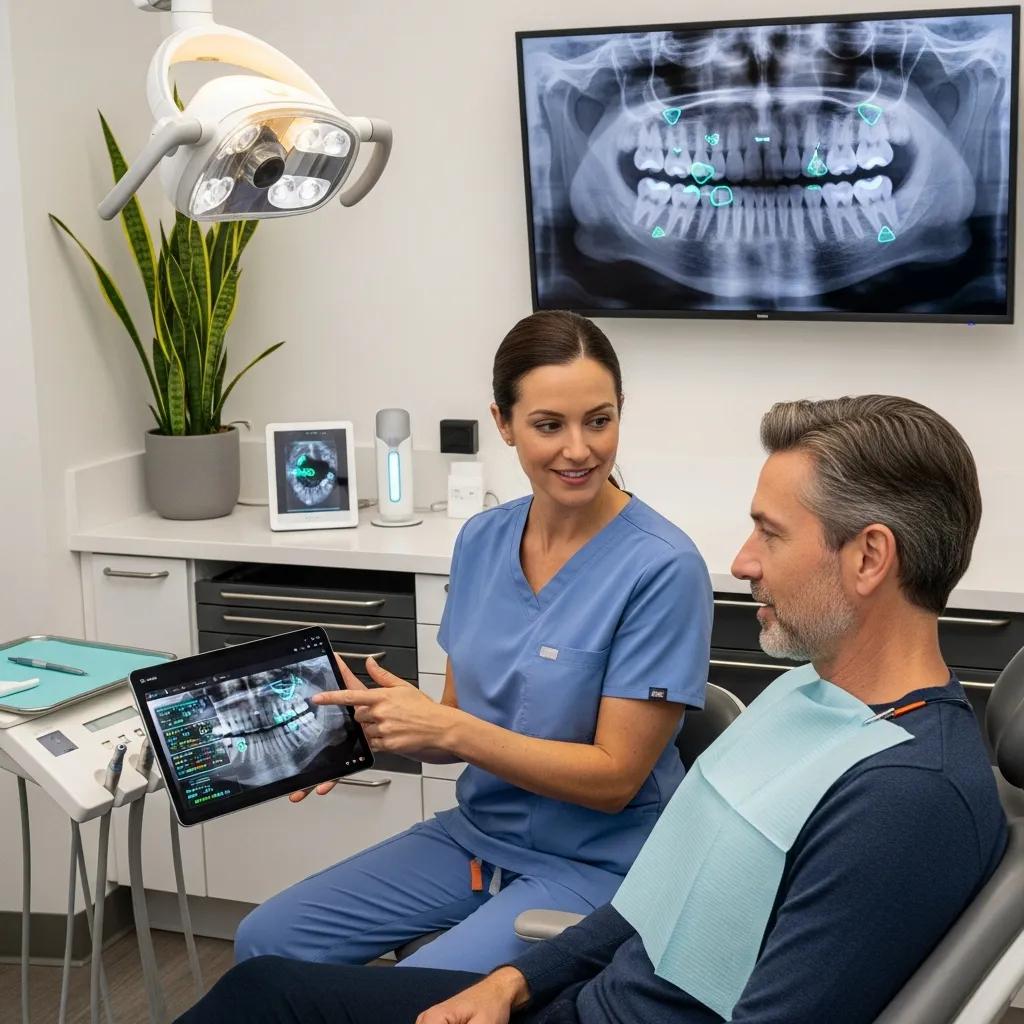
Artificial intelligence helps us analyze large amounts of clinical data quickly and accurately. AI can spot patterns in images and records that support earlier diagnosis and more precise treatment planning.
How Does AI Improve Early Detection of Oral Conditions?
AI reviews imaging and patient histories to flag subtle changes that might be missed by the human eye. For example, algorithms can identify early signs of decay or periodontal issues on X-rays, which lets us intervene sooner and prevent more extensive treatment later.
Early detection not only improves outcomes but can also lower long-term treatment costs.
What Are AI-Driven Tools for Precision Treatment Planning?
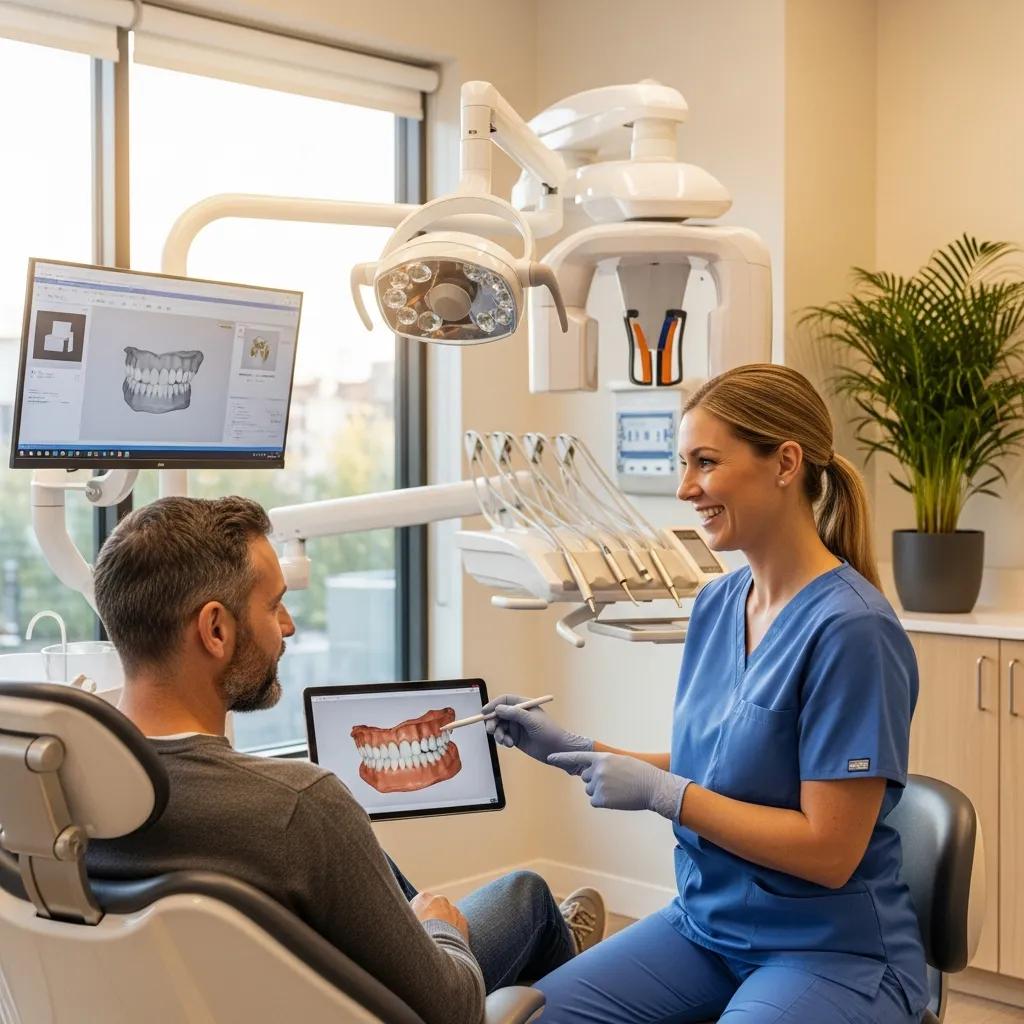
AI tools integrate data — medical history, imaging, and when available, genetic information — to recommend precise treatment paths. In orthodontics, for instance, AI can model how teeth will move with different approaches, helping us choose the most effective option for you.
This level of precision helps us deliver care that’s efficient, predictable, and tailored to each patient’s anatomy.
How Are Customized Oral Health Plans Developed for Individual Needs?
Customized oral health plans bring together your risk factors, habits, and health goals. We use that information to build a clear, step-by-step plan covering prevention, treatment, and follow-up care.
Which Lifestyle and Environmental Factors Affect Your Oral Health?
Your diet, smoking status, daily hygiene, and even environmental exposures shape oral health risk. For example, frequent sugar intake raises cavity risk, while smoking increases the chance of gum disease. We consider these factors when designing prevention and treatment recommendations.
With that context, we can offer realistic, actionable advice that fits your life and reduces future problems.
How Are Preventive Strategies Tailored to You?
Preventive measures are personalized based on your risks. That might mean specific brushing and flossing techniques, dietary guidance, or a modified recall schedule for cleanings and exams.
For example, someone prone to cavities may get targeted advice on sugar reduction and fluoride use, while a patient at higher risk for gum disease may benefit from more frequent professional care and focused home routines.
What Precision Dentistry Solutions Are Available for Orthodontics and Restorations?
Precision dentistry uses digital tools and advanced materials to produce restorations and orthodontic solutions that fit better and last longer. These technologies let us plan and deliver care that matches each patient’s anatomy closely.
How Does 3D Printing Enable Custom Crowns and Implants?
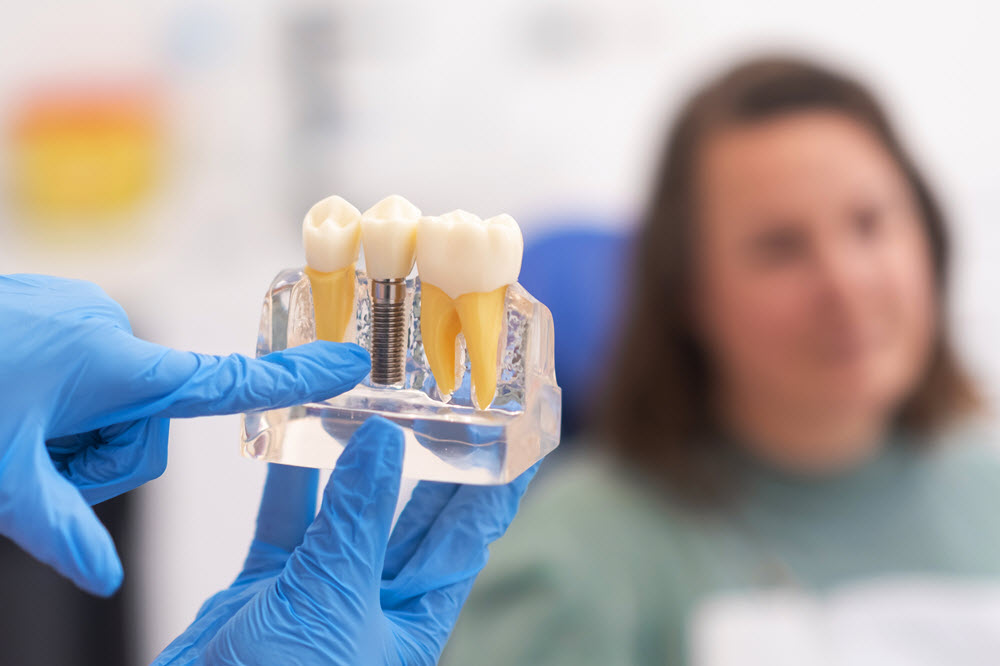
3D printing allows us to create crowns, guides, and implant components that match your mouth precisely. We work from digital scans to fabricate restorations that fit more accurately, which often reduces chair time and the need for adjustments.
The result is a faster, more comfortable restoration process and outcomes that look and function well.
What Biocompatible Materials Are Used for Personalized Restorations?
We select materials like zirconia and titanium for their strength, durability, and compatibility with body tissues. These choices are made based on each patient’s clinical needs and aesthetic goals to ensure reliable, long-lasting results.
Material selection is part of the personalized plan — we match materials to the individual situation for the best outcome.
How Does Unionville Gate Family Dentists Implement Personalized Dental Medicine?
Unionville Gate Family Dentists applies personalized dental medicine through a patient-centered process that combines experienced clinicians, modern tools, and clear communication. We focus on what matters to you and design care that fits your health needs and lifestyle.
Who Are the Expert Dentists Delivering Tailored Care?
Our care team includes Dr. Abbas Fakih, Dr. Russell Rendely, Dr. Theresa Bourke, Dr. Ian Erwood, and Dr. Morteza Lavasi. Each brings years of experience and ongoing training, ensuring patients receive thoughtful, up-to-date treatment tailored to their needs.
The team’s commitment to continuous learning helps us offer advanced, patient-focused services.
How Can You Book Your Personalized Dental Consultation?
Booking a consultation is easy — schedule online through our website or call the office. At your visit we’ll review your history, assess your needs, and outline a customized plan that matches your goals and comfort level.
Our process is designed to be straightforward and reassuring, so you leave with a clear next step on your personalized dental journey.
Frequently Asked Questions
What types of advanced technologies are used in personalized dental medicine?
We use a combination of technologies to personalize care: genomic testing to reveal genetic risk factors, AI tools to enhance diagnostics and planning, and 3D printing for precise restorations. These tools let us tailor treatments so they’re more effective and better suited to each patient.
How can personalized dental care improve preventive measures?
Personalized care targets prevention to your specific risks. If testing or history shows a higher risk for gum disease, for example, we may recommend more frequent cleanings or specific home-care steps. Tailoring prevention helps avoid larger problems and keeps care efficient.
What role does patient education play in personalized dental care?
Education is central. We explain your condition, treatment options, and the reasons behind our recommendations so you can make informed choices. When patients understand the “why” and “how,” they’re more likely to follow the plan and see better results.
Are there any specific dietary recommendations in personalized dental care?
Yes — dietary advice is customized. Patients at higher risk for cavities may be guided to cut down on frequent sugar exposure and add tooth-friendly foods like calcium-rich options. Those with inflammatory gum conditions may be advised to eat anti-inflammatory foods. Recommendations are practical and tailored to your habits.
How does personalized dental medicine address anxiety in patients?
We address anxiety by learning each patient’s concerns and adapting the care environment and approach. Options include calm communication, sedation when appropriate, and steps to make visits predictable and comfortable. A personalized plan helps reduce fear and builds trust.
What is the importance of follow-up care in personalized dental medicine?
Follow-up care keeps personalized plans working over time. Regular check-ins let us monitor progress, make adjustments, and reinforce prevention. Ongoing care builds a relationship that supports long-term oral health and ensures treatments stay effective as needs change.
Conclusion
Personalized dental medicine changes the way we approach oral health — shifting from generic protocols to plans built around the individual. By combining clinical expertise with tools like genomic testing and AI, we create treatment pathways that better match each patient’s needs. This proactive, tailored approach improves outcomes and gives patients clearer control over their dental health. To see how personalized care could help you, schedule a consultation with Unionville Gate Family Dentists today.