Mouthwash: Benefits and How to Use It for Healthier Teeth & Gums
Many people skip mouthwash, but it can be a simple, helpful step in your daily care. This guide explains what mouthwash does, the benefits you can expect, the types available, how to use it properly, what dentists recommend, and important safety points. When used alongside brushing and flossing, the right mouthwash can boost breath freshness and support your teeth and gums.
What mouthwash is and why it matters for oral health
Mouthwash is a liquid product designed to rinse your mouth, freshen breath, and reduce harmful bacteria. It doesn’t replace brushing or flossing, but it reaches spots those tools might miss. Adding mouthwash to your routine can help lower plaque, support gum health, and give an extra layer of protection between dental visits.
How mouthwash works with brushing and flossing
Think of mouthwash as an extra pass after you brush and floss: brushing removes plaque from tooth surfaces, flossing cleans between teeth, and mouthwash helps reduce bacteria throughout the whole mouth. Used together, these steps give a more complete clean and help protect oral health over time.
Key benefits of using mouthwash regularly
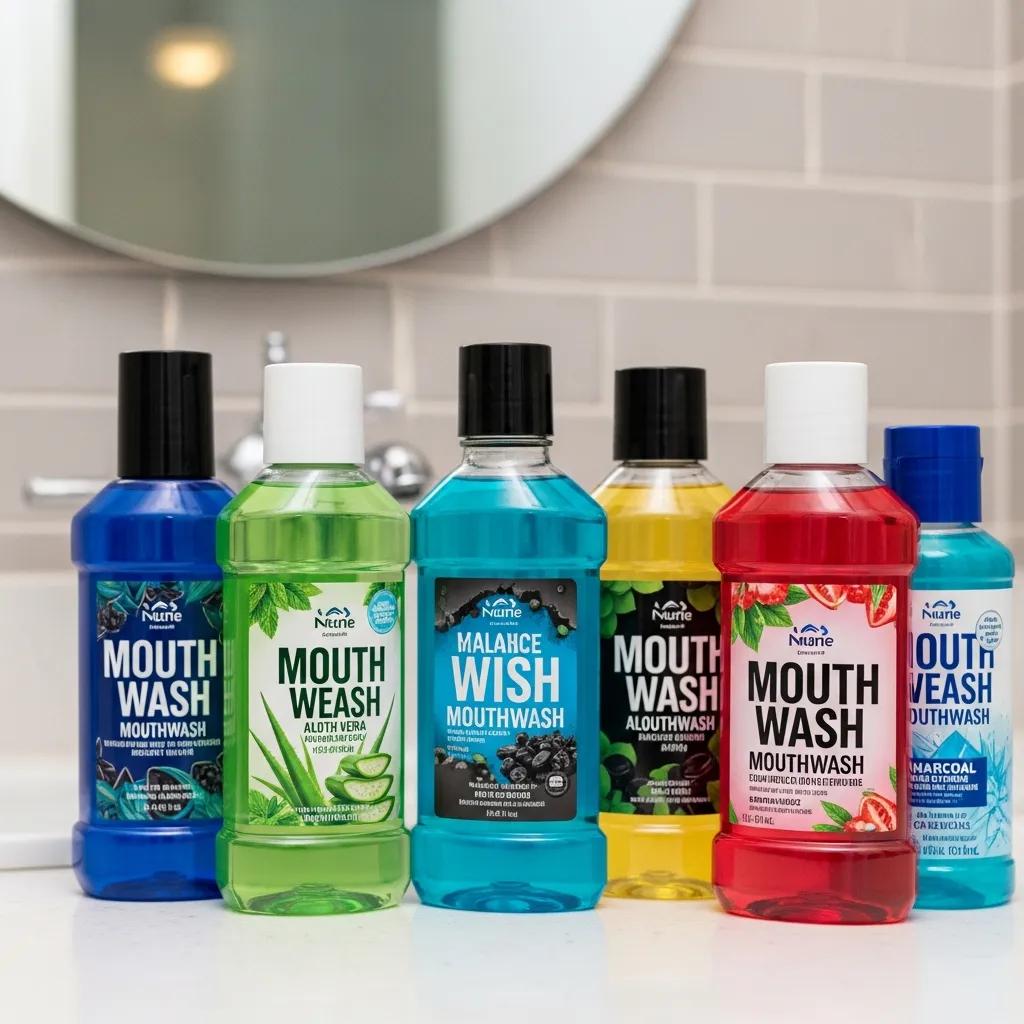
Regular mouthwash use can offer several practical benefits:
- Fresher breath: Targets odor-causing bacteria and leaves a cleaner, fresher mouthfeel.
- Cavity protection: Fluoride mouthwashes help strengthen enamel and lower cavity risk.
- Healthier gums: Antiseptic formulas can reduce plaque and lower the chance of gum inflammation.
These advantages are most effective when mouthwash is part of a full hygiene routine—brushing, flossing, and regular dental visits.
Main ways mouthwash supports oral health
Mouthwash can play several roles depending on the formula: improving breath, helping prevent decay, and supporting gum health. Knowing what each type does makes it easier to pick one that fits your needs.
How mouthwash freshens breath and reduces odors
Active ingredients in many mouthwashes target the bacteria that cause bad breath. Compounds like cetylpyridinium chloride or certain essential oils neutralize odors and leave a lasting clean feeling. Used regularly, mouthwash can reduce the microbes that contribute to persistent bad breath.
How mouthwash helps prevent cavities and strengthen enamel
Fluoride-containing mouthwashes help remineralize weakened enamel, making teeth more resistant to decay. When used as directed—usually after brushing—these rinses add a topical layer of protection that supports long-term cavity prevention. Many dental professionals recommend fluoride rinses for patients at higher risk of decay.
Types of mouthwash and how they differ
Mouthwashes are formulated for different goals. Understanding the main categories helps you choose a product that fits your oral health needs.
Antiseptic vs. fluoride mouthwashes: what each does
Antiseptic mouthwashes are aimed at killing bacteria and controlling plaque—useful for gum health and reducing inflammation. Fluoride mouthwashes focus on enamel protection and cavity prevention. Some people use both types at different times to address separate concerns.
When to pick alcohol-free, cosmetic, or prescription rinses
Alcohol-free rinses are gentler for sensitive mouths and avoid the drying effect of alcohol. Cosmetic mouthwashes mainly mask odors and freshen breath but don’t offer therapeutic benefits. Prescription rinses are tailored by your dentist for specific problems—severe gum disease, post-surgical care, or chronic dry mouth—and should be used as directed.
How to use mouthwash for the best results

Correct technique and timing make a big difference. Follow the label and your dentist’s advice to get the most benefit from your rinse.
Proper technique and timing
Swish the recommended amount for 30 seconds to one minute, making sure the liquid reaches all areas of the mouth. It’s usually best to rinse after brushing and flossing so active ingredients can work on any leftover bacteria. Try to avoid eating or drinking for about 30 minutes afterward so the ingredients can do their job.
Common mistakes to avoid
Don’t use mouthwash as a substitute for brushing or flossing. Avoid overusing it or swallowing the product. Also, if you use a fluoride toothpaste, wait a short while before rinsing with mouthwash so you don’t wash away the toothpaste’s protective fluoride too soon.
Which mouthwash do dentists recommend for specific concerns?
Dental professionals choose mouthwashes based on the issue at hand. Here are common recommendations tied to specific concerns.
Best options for bad breath, plaque, and gum disease
For persistent bad breath, antiseptic rinses that target odor-causing bacteria can help. Antibacterial or antiseptic mouthwashes are also used to reduce plaque and manage gum disease. For cavity risk, fluoride rinses are the usual recommendation.
Support for sensitive teeth, dry mouth, and post-op care
People with tooth sensitivity can benefit from formulas made to soothe dentin. Those with dry mouth should look for rinses that contain moisturizing agents or saliva substitutes. After dental surgery, your dentist may prescribe or recommend a specific rinse to promote healing and lower infection risk.
Safety notes and possible side effects
Mouthwash is safe for most people, but some ingredients can cause issues for a few. Read labels and check with your dentist if you’re unsure.
Risks from alcohol and other ingredients
Alcohol in mouthwash can dry and irritate some mouths. If that happens, switch to an alcohol-free formula. Certain active ingredients may not be right for everyone—always check product labels and ask your dental team if you have concerns or specific health conditions.
When to talk to your dentist about mouthwash
If mouthwash doesn’t improve your symptoms, causes irritation, or if you have ongoing oral health problems, consult your dentist. They can recommend the most appropriate product or treatment plan for your situation.
| Type of Mouthwash | Benefits | Recommended Use |
|---|---|---|
| Antiseptic | Reduces bacteria and plaque | Daily use to support gum health and plaque control |
| Fluoride | Strengthens enamel and helps prevent cavities | Use once daily—typically after brushing—as directed |
| Alcohol-Free | Gentle for sensitive mouths, less drying | Daily use for fresh breath and sensitivity relief |
| Cosmetic | Freshens breath temporarily | Use as needed for odor control |
| Prescription | Treats specific conditions (e.g., severe gum disease) | Use only as directed by your dentist |
Frequently Asked Questions
Can mouthwash replace brushing and flossing?
No. Mouthwash complements brushing and flossing but doesn’t replace them. Brushing removes plaque from tooth surfaces and flossing cleans between teeth—mouthwash helps reduce bacteria and freshen breath when used with those core steps.
How often should I use mouthwash?
For general use, twice a day—after brushing and flossing—is a good rule. If you’re using a therapeutic or prescription mouthwash, follow your dentist’s instructions for frequency and duration.
Are there age limits for using mouthwash?
Children under 6 should generally avoid mouthwash because of swallowing risk. Older children can use alcohol-free formulas—check with your pediatric dentist to find the right option and teaching method for kids.
What should I do if mouthwash irritates my mouth?
Stop using the product and try an alcohol-free or sensitivity formula. If irritation continues, make an appointment with your dentist to rule out allergies or other issues and to find a gentler alternative.
Can mouthwash help with gingivitis?
Certain antiseptic mouthwashes can help manage gingivitis by reducing plaque and bacteria. They work best as part of a full care plan that includes professional cleanings and daily brushing and flossing.
Is mouthwash safe during pregnancy?
Most mouthwashes are safe during pregnancy, and alcohol-free options are often preferred. Talk with your prenatal care provider or dentist if you have any concerns or specific oral health needs while pregnant.
Conclusion
Mouthwash can be a useful addition to your oral care routine—helping freshen breath, support gum health, and protect enamel when chosen and used correctly. Pick the type that matches your needs, use it alongside brushing and flossing, and ask your dental team if you’re unsure which product is right for you. Need a recommendation? Our office is happy to help you find the best mouthwash for your smile.